

Zendesk CEO says Meta's Muse cut $3,105 from family bills in five days
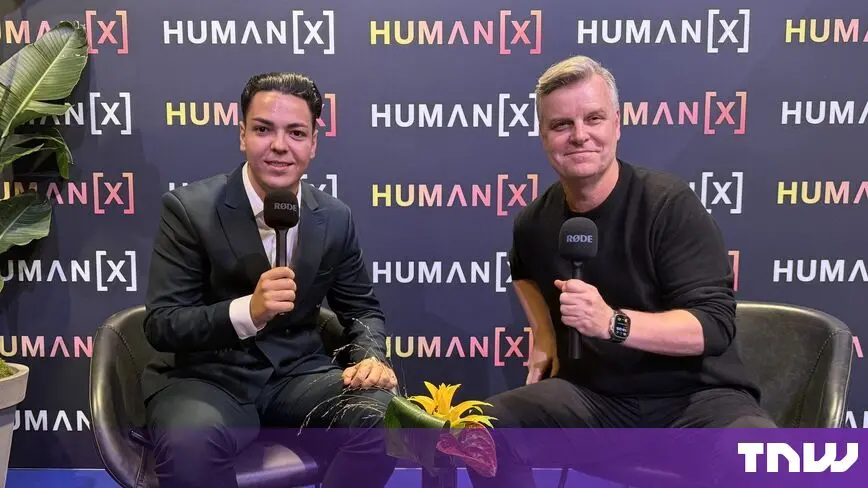
Tom Eggemeier, chief executive of customer service software company Zendesk, says he saved $3,105 in five days using Meta's Muse. The savings came from renegotiating household internet, television, and mobile plans, according to an interview at an industry conference in Amsterdam on 23 September.
Eggemeier said Muse cut about $2,000 a year from his family's internet and TV package and about $1,000 a year from its mobile plan. The AI assistant did roughly 95% of the work, he said. He made one phone call himself. He has not yet joined the early test in which Muse makes calls on the user's behalf.
He also cautioned that Europeans may not see the same level of savings. Internet and mobile prices are much higher in the United States, so there is more room for negotiation and cost reduction. Eggemeier has been testing Muse and Instinct, another personal assistant, in recent weeks.
The claim came a day after Meta challenged users to save up to $1,000 with Muse. Eggemeier's total was more than three times that figure, though his experience is a single anecdote and not a controlled study. The episode highlights how consumer AI tools are moving from novelty to practical household finance, even if results vary by market and provider.
Zendesk's AI revenue reaches about $400m
Zendesk expects to end the year with about $400 million in AI revenue, up from roughly zero two years ago, Eggemeier said. Most of that revenue comes from AI agents that customers pay for only when they resolve a case. The model marks a shift away from traditional software subscriptions and seat-based pricing.
Eggemeier has led Zendesk since late 2022. Before joining the company, he was a partner at private equity firm Permira, where he led its Menlo Park office. He spent more than a decade at contact centre software company Genesys, rising to president. He studied history at the University of Dayton and holds a law degree from the University of Chicago.
Zendesk itself has a long history in customer support software. It was founded in 2007 in Copenhagen and became a public company in 2014. In 2022, it was acquired by private equity firms Permira and Hellman & Friedman in a deal valued at about $10.2 billion. Eggemeier took over as CEO as the company moved deeper into AI and automation.
Zendesk began charging for automated resolutions in August 2024. Since then, it has tested a model with about 100 customers that drops seats. The company charges for every resolution, whether it is handled by a human or an AI agent. Eggemeier said Zendesk will roll that model out shortly to customers who want it. He made the case against seat-based pricing on stage the same day.
The move reflects a broader debate in enterprise software. For years, vendors charged per agent or per user. AI agents can resolve many requests without a human, which makes seat counts a poor measure of value. Outcome-based pricing ties revenue to completed tasks. It can align vendor and customer incentives, but it also raises questions about measurement, quality, and what counts as a resolution. If an AI agent closes a ticket but the customer remains unhappy, should the vendor still be paid? Those are the kinds of questions procurement teams and software vendors are now negotiating.
AI handles more than half of Zendesk tickets
AI now solves or assists more than 50% of Zendesk tickets, according to Eggemeier. That figure includes self-service tools, AI agents, and copilots. AI agents alone handle less than half. His best customers reach automation rates of 80% to 90%, with higher satisfaction than with human agents.
He cited a utility company in Brazil that used Zendesk's collections agent to bring in about $5 million of new revenue in a few months. More than 80,000 companies use Zendesk, and Eggemeier estimates that one to two billion people deal with the platform each year without knowing it.
Those numbers show how deeply customer service software sits behind everyday transactions. A billing question, a delivery delay, a password reset, or an insurance claim often passes through a support platform. As AI takes on more of those interactions, the user experience depends on whether the system can understand context, follow policy, and escalate when needed.
The economics are compelling for companies. A human agent costs money for every hour worked, whether or not a customer is served. An AI agent can handle many conversations at once and costs a fraction per interaction. But the technology is not perfect. AI systems can hallucinate, miss nuance, or fail to recognise a vulnerable customer. That is why many vendors blend automation with human oversight. Copilots assist human agents by drafting replies and pulling up relevant information. Self-service tools deflect simple requests. AI agents aim to resolve entire conversations end to end.
Eggemeier said he uses ChatGPT for hours a day for research, customer work, and speeches. With help from his team, he wrote code in Claude Code that is now in production at Zendesk. The team checked it three times before deployment. He also built a basketball app with his son. These examples illustrate how generative AI is moving from experimentation into daily workflows for both executives and product teams.
Personal agents and human escalation
Eggemeier expects personal AI agents talking to company agents to make up more than half of interactions within two years. He called the prospect a little scary. He also said people should always be able to reach a human. Zendesk tells customers to offer that option, he said.
The vision is a future in which a consumer's AI assistant negotiates with a company's AI support agent. The two systems could compare policies, resolve billing disputes, schedule appointments, or cancel subscriptions. That could reduce wait times and lower costs. It could also create new risks. If an AI agent misunderstands a request or lacks authority, the customer may need a fast path to a person. Trust, transparency, and accountability become central design requirements.
For that future to work, companies will need common standards for identity, consent, and data sharing. A personal agent acting on someone's behalf must prove it has permission to access an account or make changes. A company agent must know when to stop and hand over to a human. Regulators are already watching. The European Union's AI Act and other rules could shape how automated negotiations are disclosed and audited. Customer service is likely to be an early testing ground because the interactions are frequent, measurable, and often low risk.
Asked about companies replacing staff with AI, Eggemeier said companies and governments should train people to use the technology. He called himself an optimist and pointed to the jobs that changed after the industrial revolution and since the 1980s. He acknowledged that the transition can be difficult, but he argued that human roles will not disappear entirely.
“I can't see beyond five or 10 years. There's going to be absolutely a need for humans,” he said.
His advice to young people, including his two children at university, is to build communication, analytical, and relationship skills, and to learn AI. Those skills, he suggested, will matter regardless of how quickly automation spreads through customer service and other industries.
Key facts
- Zendesk CEO Tom Eggemeier said Meta's Muse saved him $3,105 in five days.
- Muse cut about $2,000 a year from internet and TV and about $1,000 a year from mobile.
- Eggemeier said the AI did about 95% of the work and he made one call himself.
- He is not yet in the early test where Muse makes calls.
- He warned Europeans may save less because US internet and mobile prices are higher.
- Zendesk expects about $400 million in AI revenue this year, up from near zero two years ago.
- Most AI revenue comes from AI agents paid per resolved case.
- Zendesk began charging for automated resolutions in August 2024.
- It tested a model with about 100 customers that drops seats and charges per resolution.
- AI solves or assists more than 50% of Zendesk tickets, including self-service, AI agents, and copilots.
- Best customers reach 80% to 90% automation with higher satisfaction than human agents.
- A Brazilian utility used Zendesk's collections agent to add about $5 million in new revenue in a few months.
- More than 80,000 companies use Zendesk.
- Eggemeier expects personal AI agents to company agents to exceed half of interactions within two years.
- He said people should always be able to reach a human.
- His advice to young people: build communication, analytical, and relationship skills, and learn AI.
Source:TNW | Podcasts News