Oct 11, 2026Twila Rosenbaum Selector Foundry is a development and runtime environment for network operations AI agents. It lets teams define agents as configuration, commit them to Git, and review changes through existing pull-request workflows. Before production, agents are replayed against historical incidents and compared with recorded outcomes. Guardrails cap cost and token use while constraining what an agent can conclude. View more
Oct 11, 2026Twila Rosenbaum A new survey of 1,000 IT and network operations leaders reveals that 80% are comfortable granting AI a high or fully autonomous role in network operations. The findings highlight growing reliance on agentic AI to manage escalating complexity, with 51% already using such tools in production to take real-time corrective action. However, nearly all respondents insist on strict guardrails, including explainable actions, human approval, and immutable audit trails, before trusting AI to act without oversight. View more
Oct 11, 2026Twila Rosenbaum Enterprises are spending heavily on AI but seeing uneven results, largely because they are bolting new tools onto old workflows instead of redesigning the work itself. Younger developers, less invested in legacy processes, are well positioned to imagine new ones - while senior engineers supply the judgment, security insight, and architectural guardrails that keep those ideas safe. The most successful organizations will pair the two, giving junior developers real process problems to solve and senior developers the job of defining boundaries rather than blocking change. View more
Oct 11, 2026Twila Rosenbaum AI demand is pushing cloud infrastructure spending to unprecedented levels, with major technology companies expected to invest hundreds of billions in chips, networking, power, and data centers. Yet the public cloud may not remain the permanent home for every AI workload. As production-scale costs become clearer, enterprises are weighing repatriation, on-premises deployments, and specialized neocloud providers. The result is likely a more segmented market where workload placement is driven by economics, governance, and long-term flexibility. View more
Oct 11, 2026Twila Rosenbaum Some companies are exploring the idea of placing small compute systems in homes to create a distributed AI data center network. This article examines the economic forces, emerging business models, and the substantial hurdles that must be overcome for residential hosting to become viable. View more
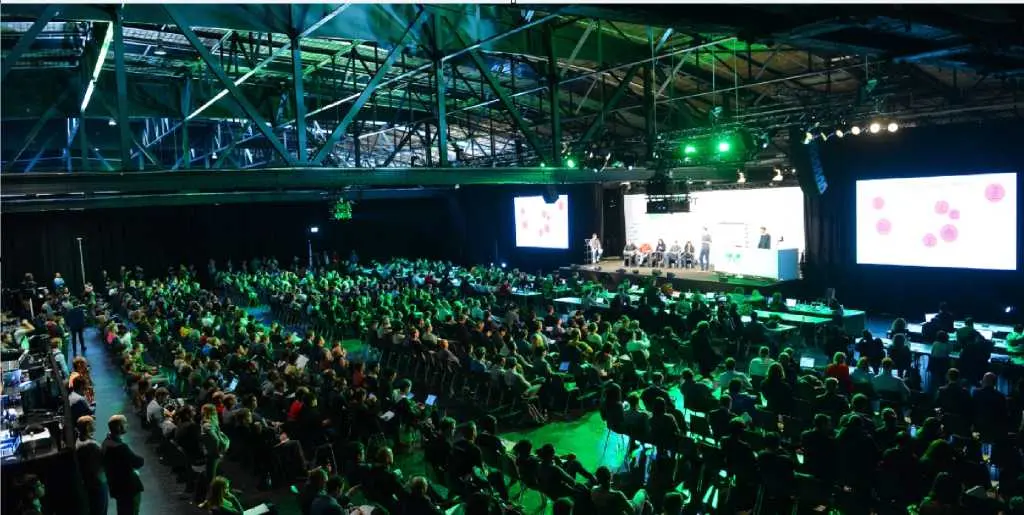
Oct 11, 2026Twila Rosenbaum A major technology conference opens in San Francisco in three days, bringing together AI experts, software engineers, and startup founders. More than 200 sessions across six stages will examine the next wave of AI in software development, from coding agents to enterprise AI. A featured session from Anthropic will share practical patterns for delegating, reviewing, and recovering from autonomous coding agents. The event runs October 13-15 at Moscone West. View more
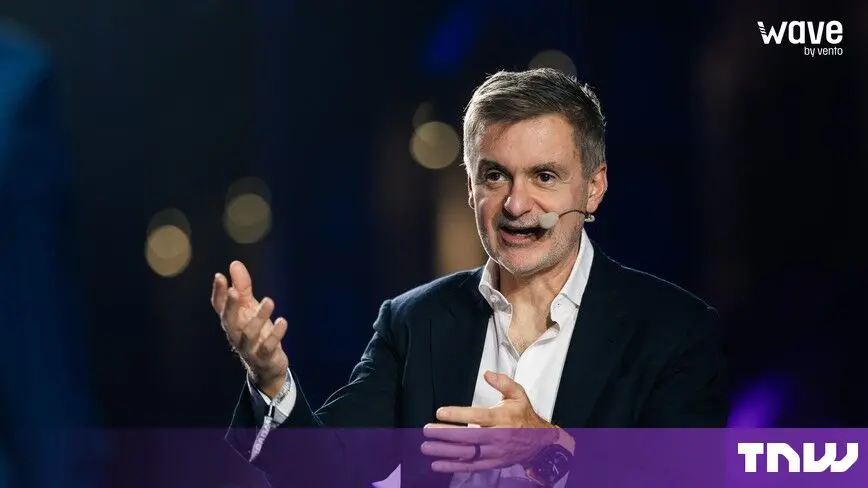
Oct 10, 2026Twila Rosenbaum Goldman Sachs CIO Marco Argenti says the bank is entering a third phase of AI adoption, moving from cost savings to revenue generation. Developers now supervise AI agents, while the bank measures real project outcomes rather than code commits. Argenti argues that enterprises must assume models will make mistakes and build safeguards accordingly. He also weighs open-weight models against frontier systems for different tasks. View more
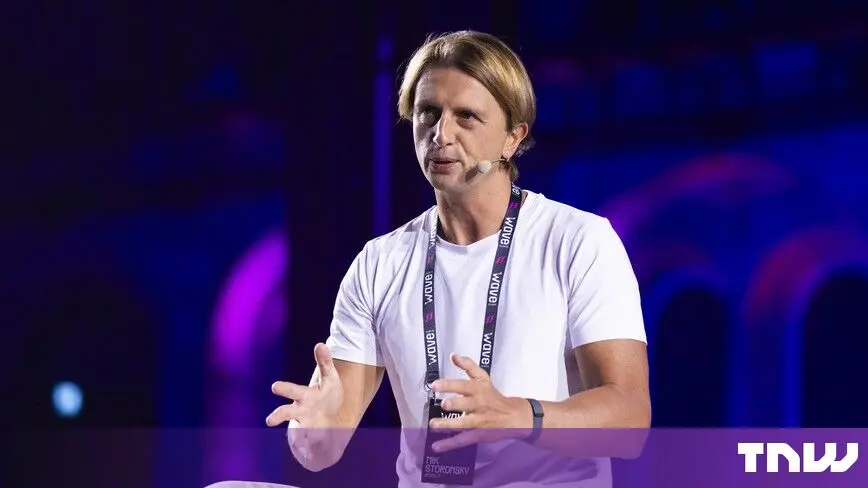
Oct 10, 2026Twila Rosenbaum Revolut CEO Nik Storonsky outlined plans to turn the fintech into a global tech company built in Europe. He said Revolut already builds its own foundation models and large language models, trained on transaction data, and is constructing data centres to train them. The company also plans AI shopping agents, financial advice and an open platform for third-party agents. Storonsky discussed management style, crypto speculation and venture investing. View more
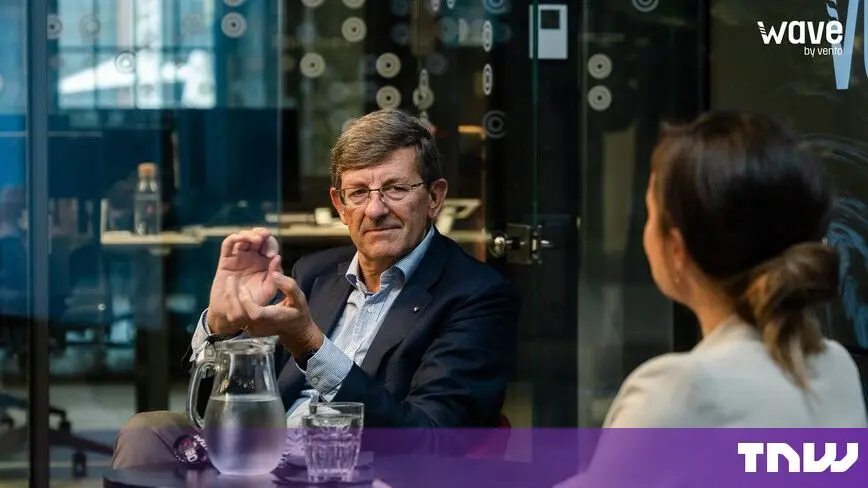
Oct 10, 2026Twila Rosenbaum Former Vodafone CEO Vittorio Colao warns that Europe missed the digital wave and must not miss the next one. He says Europe has less than 2 gigawatts of AI computing capacity and needs faster investment. Colao calls for simpler rules for young companies, a real single capital market, and closer cyber defence cooperation. He also explains what he looks for in founders and flags risks in AI development. View more
Your experience on this site will be improved by allowing cookies Cookie Policy
These cookies are essential for the website to function properly.
These cookies help us understand how visitors interact with the website.
These cookies are used to deliver personalized advertisements.