

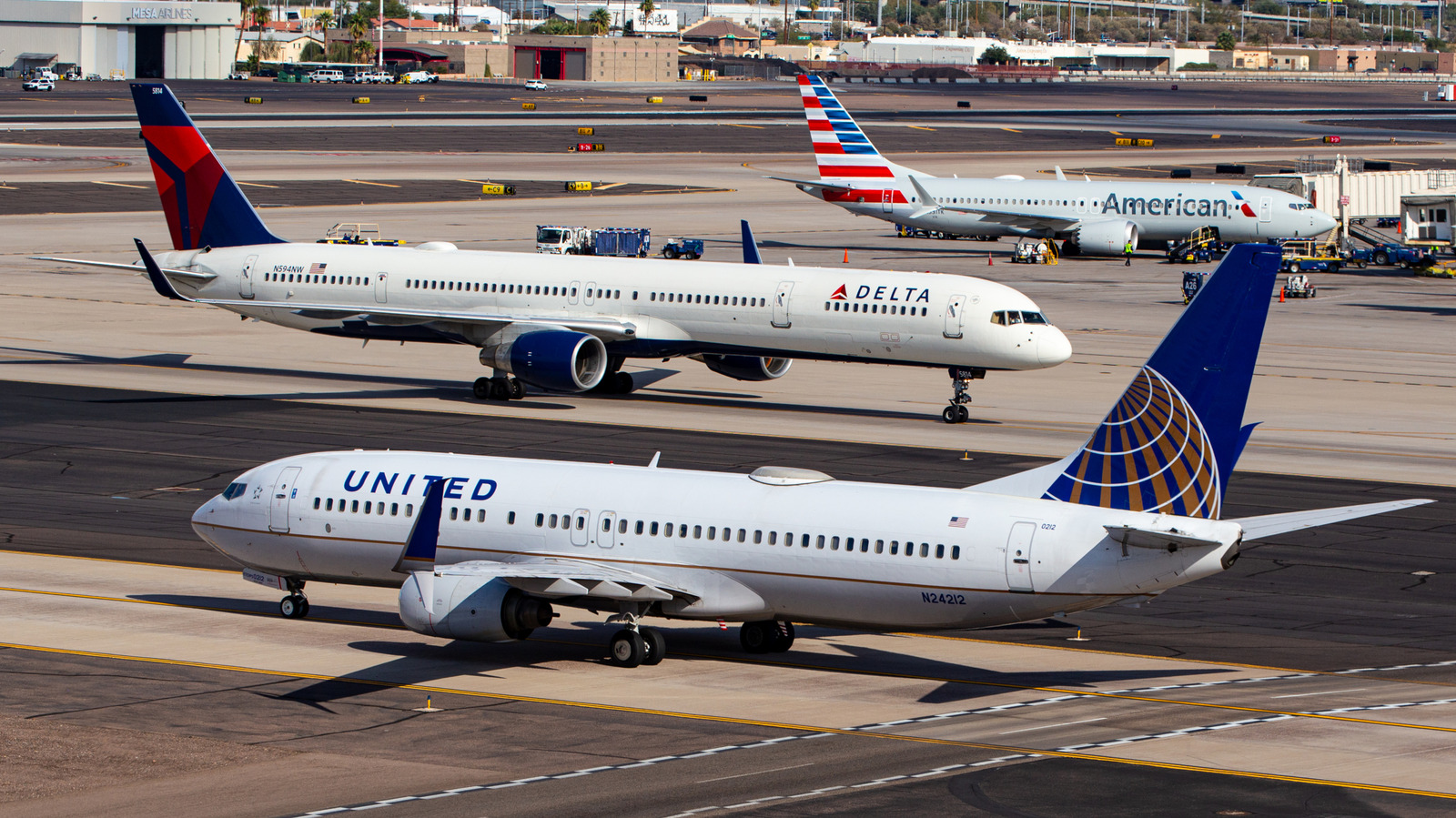
Recent discussions have surfaced regarding a potential merger between American Airlines and United Airlines, a concept reportedly brought up by United Airlines CEO Scott Kirby during talks with the Trump administration. However, American Airlines has firmly rejected the idea, stating that such a merger would harm competition and negatively impact consumers. The airline emphasized that it is neither engaged in nor interested in pursuing this dialogue.
Even with a more favorable response from American Airlines, the likelihood of this merger materializing remains low. The U.S. airline industry is already characterized by significant consolidation, with the four largest carriers, including American and United, accounting for approximately 80% of domestic capacity. A merger of this magnitude would not only create the largest airline in the world but would also attract considerable scrutiny from antitrust regulators.
Economic Implications for Passengers
While the merger appears improbable, should it occur, the most immediate impact on passengers would likely be financial. The basic principles of market economics suggest that less competition on overlapping routes could result in higher airfares. Historical data reinforces this expectation, as evidenced by the 2008 merger between Delta Air Lines and Northwest Airlines. This case serves as a valuable reference point for understanding potential outcomes.
The Delta/Northwest merger illustrates how airline consolidations can affect ticket pricing. Initially, fares did not skyrocket immediately following the merger; a 2015 study indicated that ticket prices remained stable or even decreased slightly before the merger's completion. However, when compared to predicted fare trends without the merger, overall ticket prices rose.
Operational Changes and Network Adjustments
Beyond fare adjustments, mergers typically lead to changes in the operational networks of the involved airlines. With the combination of two large airlines, there would inevitably be overlapping routes that would need to be streamlined or restructured. Conversely, the newly formed airline would likely offer a broader network with more destinations accessible through its hubs, potentially benefiting passengers in terms of connectivity.
The ramifications of a merger extend beyond ticket prices and route structures. The Delta/Northwest merger—a complex endeavor—took nearly two years to fully integrate, affecting everything from pilot contracts to operational standards. Throughout this transition period, operational performance encountered challenges, including increased delays and customer complaints. However, Delta ultimately improved its reliability and is now viewed as one of the most dependable airlines in North America.
Future Considerations for Airline Mergers
The prospect of mergers in the airline industry raises critical questions about the balance between corporate consolidation and consumer interests. As the market continues to evolve, stakeholders—including regulators, airlines, and consumers—must remain vigilant about the implications of further consolidation. The potential merger of American Airlines and United Airlines serves as a reminder of the delicate balance that must be maintained in the airline industry to ensure competition thrives, ultimately benefiting consumers.
Source: SlashGear News