

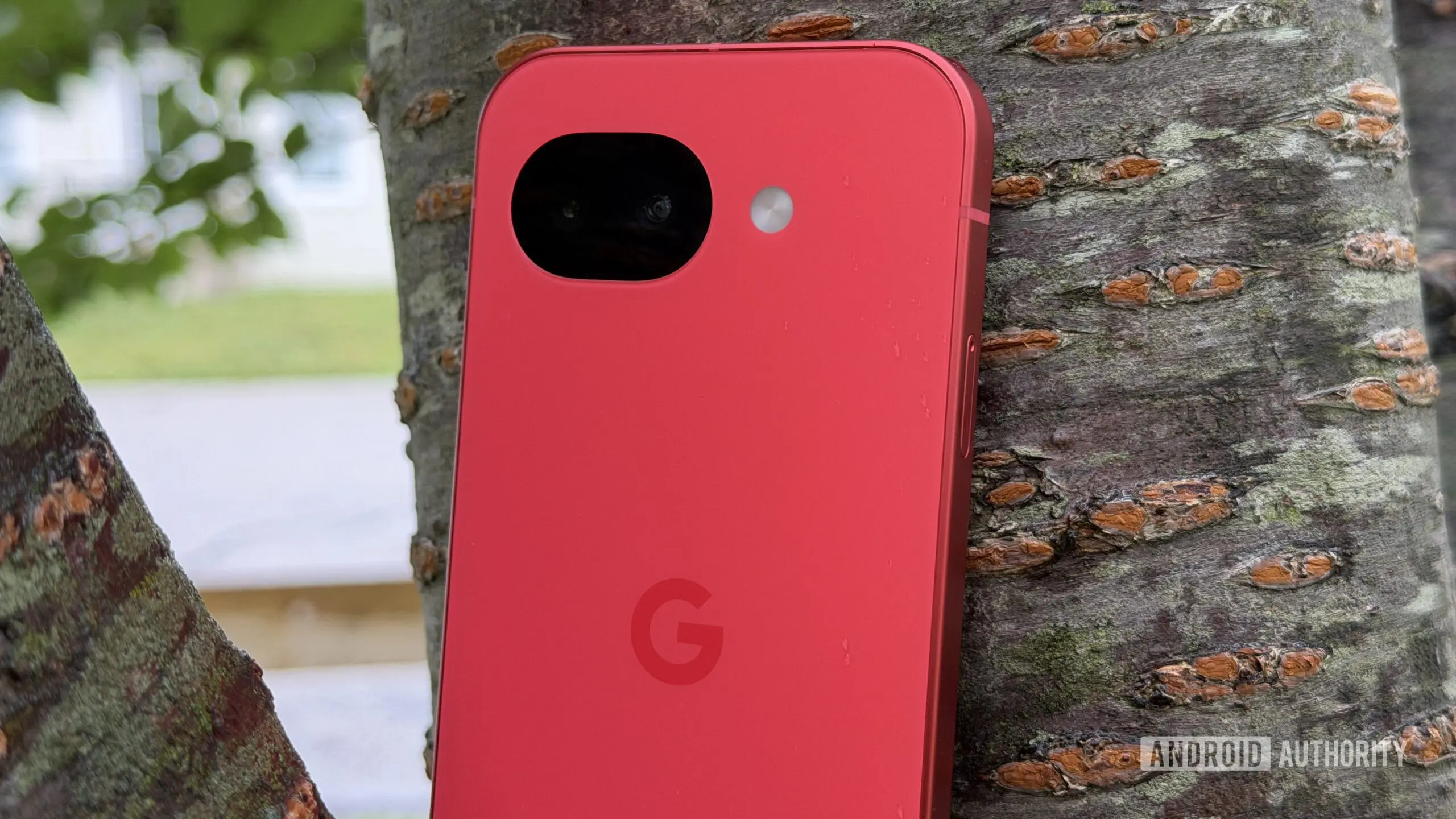
With Samsung Unpacked now officially behind us, the tech world is shifting its focus to the Made By Google event scheduled for August 12, where the Pixel 11 series is expected to be unveiled. Recent leaks have already painted a detailed picture of these devices, including pricing that has raised eyebrows: the most affordable model is rumored to start at $899, a significant jump from the $799 starting price of the Pixel 10. Now, a new interview with a top Google executive confirms that this price increase is not just speculation but a deliberate response to market realities.
Shakil Barkat, Google's Vice President of Devices and Services, spoke with 9to5Google about the company's hardware strategy, offering candid insights into the factors driving Pixel pricing. While Barkat refrained from sharing specific figures, he acknowledged that Google has been struggling to absorb recent spikes in memory prices, particularly RAM. These costs have been volatile due to global supply chain disruptions and increased demand from AI applications, and the company can no longer shield consumers from these pressures. “Adjustments are coming to Pixel pricing,” Barkat stated, “and will be rolled out dynamically to match supply realities.”
Impact on the Pixel 11 series
The confirmation of price hikes for the Pixel 11 series aligns with earlier leaks that suggested a $899 starting price for the base model. This would mark a $100 increase over the Pixel 10, which itself had seen a modest rise compared to previous generations. The Pixel 11 Pro and Pro XL models are expected to see even steeper increases, potentially starting at $1,099 and $1,199 respectively, though Google has not confirmed these figures. The dynamic pricing strategy mentioned by Barkat implies that prices could fluctuate based on market conditions, including component costs and currency exchange rates.
This is a significant departure from Google's historical approach. Since the original Pixel launched in 2016, the company has often undercut competitors like Apple and Samsung on pricing while emphasizing value through software features and long-term updates. The Pixel 6 series, for example, started at just $599, making premium camera and AI capabilities accessible to a broader audience. However, as the smartphone market matures and component costs rise, Google appears to be aligning its pricing more closely with its rivals.
Pixel 10a also in the crosshairs
Perhaps more concerning for budget-conscious buyers is Barkat's warning that existing in-market Pixel phones will also see price adjustments. Specifically, he hinted that the Pixel 10a, which launched at $499, may not retain that price point for much longer. The Pixel 10a was released earlier this year as a mid-range option, offering many of the flagship features like the Tensor G5 chip and a 120Hz display at a lower cost. But with memory prices continuing to climb, Google may raise its MSRP to maintain margins, potentially by $50 to $100.
This news has already sparked discussion among Android enthusiasts. Many consumers had been considering the Pixel 10a as a budget-friendly alternative to higher-priced flagships, especially with trade-in deals and carrier promotions. If the price increases, that value proposition could diminish, pushing buyers toward older models or competitors like the Samsung Galaxy A series or the upcoming Nothing Phone 3.
Dynamic pricing: a new norm?
The concept of dynamic pricing in the smartphone industry is not entirely new. Companies like Apple have long adjusted prices regionally based on currency fluctuations and import duties. However, Google's explicit mention of dynamic pricing as a strategy for the Pixel line suggests a more fluid approach, where prices could change multiple times during a product's lifecycle. This would allow Google to respond quickly to supply chain disruptions without having to absorb losses or implement sudden, steep price jumps.
For example, if memory prices stabilize or decline, Google could lower Pixel 11 prices within weeks of launch. Conversely, if shortages worsen, further increases could occur. While this flexibility could benefit the company's bottom line, it creates uncertainty for consumers who may delay purchases in hopes of a price drop, or rush to buy before a hike. This is a delicate balancing act that Google will need to manage carefully to avoid alienating its customer base.
Trade-ins and promos remain
To soften the blow of higher prices, Barkat emphasized that Google will continue to offer trade-in programs, promotional bundles, and carrier deals. These incentives have been a key part of Pixel sales, often bringing effective prices down significantly. For instance, during the Pixel 10 launch, trade-in offers for older Pixels were valued at up to $500, making the net cost of a new phone much lower than the MSRP. Similar aggressive trade-in values are expected for the Pixel 11 series, especially for users upgrading from a Pixel 6 or later.
Additionally, Google may offer bundles with accessories like the Pixel Watch 3 or Pixel Buds Pro 2 to justify the higher price. These bundles have been successful in the past, adding perceived value without lowering the phone's base price. Google's carrier partners, such as Verizon, T-Mobile, and AT&T, are also likely to offer discounts or installment plans to spread the cost.
Memory efficiency improvements
One silver lining in this pricing cloud is Google's commitment to making Android more memory-efficient. Barkat revealed that the company is working on optimizations to reduce RAM consumption, which could help mitigate the impact of expensive memory modules in future devices. This is a long-term effort that involves everything from kernel-level changes to app management algorithms. If successful, future Pixels could achieve the same performance with less RAM, potentially lowering costs or allowing for more affordable models.
Android has historically been less memory-efficient than iOS, often requiring more RAM for comparable multitasking. Google's push in this direction could benefit not just Pixel phones but the entire Android ecosystem. However, these optimizations are unlikely to have an immediate effect on the Pixel 11 series, which will likely ship with 12GB or 16GB of RAM as standard. The benefits may not be fully realized until the Pixel 12 or later.
In the meantime, consumers are left to weigh their options. Some may opt for previous-generation Pixels, such as the Pixel 10 or Pixel 9, which could see price drops as inventory is cleared. Others may wait for seasonal sales, like Black Friday or Amazon Prime Day, when retailers often offer steep discounts. The Pixel 10a, while facing potential price hikes, could still be a good deal if purchased through a trade-in promotion.
Ultimately, Google's decision to raise prices reflects broader industry trends. Components—especially memory and processors—are becoming more expensive due to inflation, geopolitical tensions, and increased R&D costs for AI features. The Pixel 11 series is expected to introduce advanced on-device AI capabilities, which require more powerful hardware. The Tensor G6 chip, for example, is rumored to include a dedicated neural processing unit (NPU) for real-time language translation and image processing. These innovations come at a cost that Google is now passing on to consumers.
Despite the price hikes, the Pixel line remains competitive in several areas: camera quality, software updates, and AI integration. The Pixel 11 is expected to feature a new telephoto periscope lens and improved video stabilization, closing the gap with Samsung's Galaxy S26 Ultra. Google's continued emphasis on post-launch support, with seven years of OS and security updates, also adds long-term value. For many users, the higher upfront cost may be justified by the longevity and features of the device.
The dynamic pricing strategy could also lead to more frequent and smaller price adjustments, rather than one large annual increase. This would make price changes less jarring for consumers and allow Google to respond nimbly to market shifts. However, it also requires transparent communication so that customers are not caught off guard by sudden changes. Barkat's interview was a step in that direction, providing early warning of what's to come.
As the August 12 event approaches, more details about the Pixel 11 series will likely emerge. Pricing will be a major talking point, especially if the base model surpasses $900. For now, potential buyers should consider their budget and explore trade-in options ahead of launch. Waiting a few months for a promotional period, such as the holiday season, could also yield savings. Google's new pricing philosophy may be a sign of the times, but with careful planning, consumers can still find ways to get a great Pixel experience without overpaying.
Source:Android Authority News