

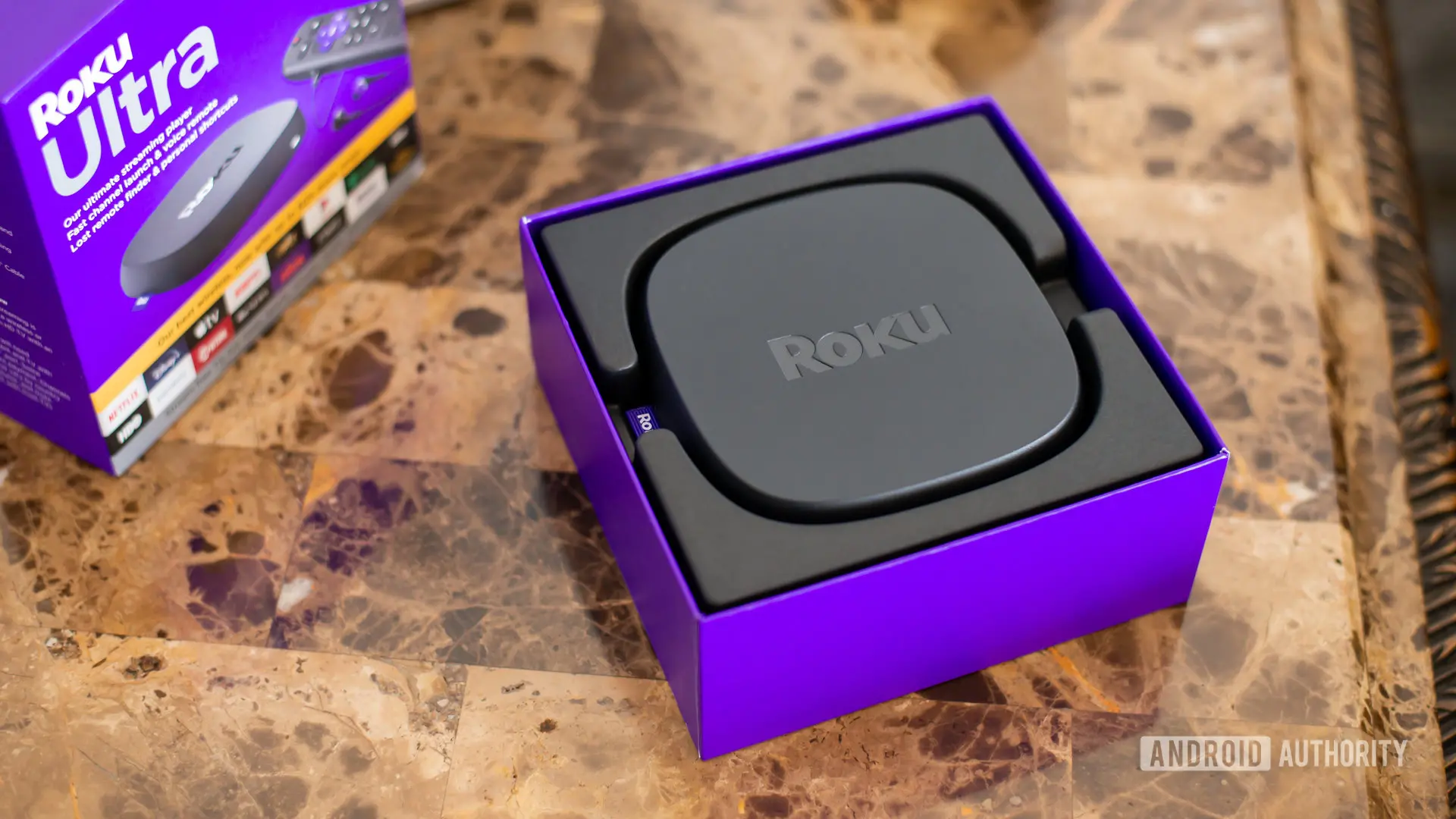
Roku, the leading streaming hardware manufacturer, has quietly raised the manufacturer's suggested retail prices (MSRPs) on its current-generation devices. The increases range from $10 to $50, with some products seeing a 50% jump. This move, first spotted by The Desk and reported by The Verge, affects the entire lineup of Roku streamers.
Price breakdown
The Roku Ultra and Roku Streambar SE experienced the steepest increases: both went from $99.99 to $149.99, a 50% rise. The Roku Streaming Stick, the entry-level model, now has an MSRP of $39.99, up from $29.99. The Streaming Stick Plus climbed from $39.99 to $59.99, while the Streaming Stick 4K jumped from $59.99 to $79.99.
Despite these new list prices, consumers are not yet paying the higher amounts. Roku's own online store currently offers all devices at sale prices matching the old MSRPs, labeled as a "Limited time offer." Third-party retailers like Amazon and Walmart have not yet adjusted their prices. This strategy suggests Roku is phasing in the increases gradually, allowing retailers and customers to adjust.
Context and industry trends
Roku is far from alone in raising prices. The consumer electronics industry has been under pressure from rising component costs, especially memory chips. The explosive growth of the AI sector has dramatically increased demand for DRAM and NAND flash, driving up prices across the board. Apple, Samsung, Valve, and Nintendo have all raised prices on various products this year. For instance, Apple increased the price of the iPhone 16 Pro by $100 in some regions, and Nintendo raised the Switch OLED price by $50 in Europe.
The memory shortage is particularly acute. AI training and inference require vast amounts of high-bandwidth memory (HBM), which competes with traditional DRAM production. This has tightened supply and increased costs for manufacturers. The price of DRAM has more than doubled year-over-year, and NAND flash prices are up 60%. For a device like a Roku streaming stick, memory is a significant cost component, directly impacting the final retail price.
Roku's position in the streaming market
Roku has long been a dominant player in the streaming hardware market. Its devices are known for their simplicity and broad support for streaming services. The operating system, Roku OS, is also licensed to TV manufacturers like TCL, Hisense, and Sharp, making Roku one of the largest streaming platforms in North America by active accounts.
However, the company has faced challenges. With the rise of smart TVs with built-in streaming, the market for standalone streaming devices has matured. Roku has expanded into advertising and content licensing, but hardware remains a significant revenue stream. The price increases may help protect margins, but could also push some consumers toward cheaper alternatives or built-in smart TV platforms.
The Fox acquisition
Last month, Fox Corporation announced it would acquire Roku for a combination of cash and stock valued at $22 billion. This deal is expected to close later this year, subject to regulatory approval. Fox, which owns the Fox broadcast network, Fox News, and sports rights, sees Roku as a key distribution platform for its content. The acquisition could lead to deeper integration of Fox's streaming services, such as Tubi and Fox Sports, into Roku's ecosystem.
The timing of the price increase just weeks after the acquisition announcement has raised eyebrows. Some analysts speculate that Fox may want to boost Roku's profitability ahead of the deal's closing. Others argue that the increases are purely market-driven and unrelated to the acquisition. Roku has not commented on the record about the price changes.
Consumer impact and alternatives
For now, consumers can still buy Roku devices at familiar prices. But the "limited time offer" on Roku's website suggests that prices will eventually rise. Those in the market for a streaming device may want to purchase soon. Alternatives include Amazon Fire TV devices, Google Chromecast with Google TV, and Apple TV. However, many of those competitors have also raised prices recently. The Apple TV 4K now starts at $179, while the Fire TV Stick 4K Max is $59.99.
Roku's price increases also affect its value proposition. The Roku Streaming Stick 4K at $79.99 is now only $20 less than the Fire TV Stick 4K Max, which offers similar features but with Amazon's Alexa integration. The Roku Ultra at $149.99 is now closer to the Apple TV 4K, though still cheaper. Roku's advantage has always been its simple, neutral interface, but that may not justify a higher price for all consumers.
Historical perspective on Roku pricing
Roku has historically kept prices low to drive adoption. The original Roku Streaming Stick launched in 2010 for $69.99, but prices gradually fell as competition increased. By 2019, the Roku Streaming Stick Plus was often available for under $40. The pandemic-era surge in home entertainment led to high demand, and Roku gained millions of new users. However, the post-pandemic slowdown, combined with supply chain issues and inflation, has squeezed margins.
This is not the first time Roku has raised prices. In 2022, the company increased MSRPs by $10 to $20 across its lineup, citing higher shipping and component costs. That increase was also implemented gradually, with sales masking the new prices for several months. The current round is more aggressive, especially the 50% jump on the Ultra and Streambar SE.
Technical details of the devices
The Roku Ultra is the company's flagship, offering Dolby Vision, Dolby Atmos, an Ethernet port, USB playback, and a headphone jack in the remote. The Streambar SE is a combination streaming device and speaker bar, aimed at improving TV audio while adding streaming. The Streaming Stick 4K is a compact device that plugs directly into an HDMI port, supporting 4K HDR content. The Streaming Stick Plus is similar but lacks Dolby Vision. The entry-level Streaming Stick is HD-only, suitable for older TVs.
Roku's internal specifications have remained relatively unchanged for the current generation. The processors are still based on ARM Cortex-A chips, with 1GB of RAM in the higher-end models and 512MB in the budget sticks. The memory shortage likely affects the cost of these components, as well as the NAND flash used for local storage.
Broader economic factors
The AI-driven demand for memory chips is not the only factor. Geopolitical tensions have also impacted supply chains. The US-China trade war and restrictions on chip exports have forced companies to diversify manufacturing, increasing costs. Additionally, the global shortage of silicon, which affected automotive and electronics industries in 2021-2022, has largely resolved, but memory prices remain elevated due to AI.
Roku's decision to raise prices may also be a preemptive move to protect against future tariffs. With the possibility of increased import duties under US trade policy, electronics makers are adjusting MSRPs to maintain flexibility. Roku's devices are mostly manufactured in China, making them vulnerable to trade policy changes.
What this means for Roku's ecosystem
Roku generates revenue not just from hardware sales, but from advertising and subscription fees. The company's platform revenue has grown significantly, accounting for over 70% of total revenue in recent quarters. Hardware sales are often close to break-even or loss leaders. Raising prices could improve hardware margins, but might slow device adoption, which in turn affects platform revenue growth. It's a delicate balance.
Roku's active accounts grew to over 80 million in early 2026, but growth has slowed. The streaming market is becoming saturated, with most households already owning a smart TV or streaming device. Roku is focusing on international expansion, but faces stiff competition from local players. Price increases could hinder that expansion, especially in price-sensitive markets.
Reaction from analysts and consumers
Early reactions on social media and forums have been mixed. Some understand the necessity given economic conditions, while others criticize Roku for trying to squeeze more out of customers. A Reddit thread titled "Roku raising prices again?" has over 500 comments, with many users threatening to switch to alternatives. However, Roku's user base is loyal, and many appreciate the simplicity and regular software updates.
Analysts from firms like IDC and Gartner have noted that the overall streaming device market is declining, as smart TV penetration increases. Standalone streamers are becoming a niche product for tech enthusiasts or those with older TVs. Roku's price increases may accelerate this trend, but the company's strong brand and ecosystem provide some insulation.
Future outlook
It is likely that the temporary sale prices will end within weeks, meaning consumers will soon face the higher MSRPs. Roku may also introduce new, lower-priced models later this year to fill the gap, but no announcements have been made. The Fox acquisition could bring changes to product strategy, possibly integrating Fox's advertising technology more deeply.
For now, anyone looking to buy a Roku device should act quickly to secure the old prices. After the sales end, the new prices will be in effect across all retailers. Given that Roku's hardware was already well-priced, the increases may still leave them competitive, but the 50% jump on premium models may push some customers to rival products.
The streaming landscape continues to evolve, with companies like Google, Amazon, Apple, and Roku all vying for living room dominance. Hardware pricing is just one piece of the puzzle; software, content integration, and user experience will determine long-term winners. Roku's simple interface and broad channel support remain strong assets, but price is becoming an increasingly important factor for budget-conscious consumers.
Source:Android Authority News