

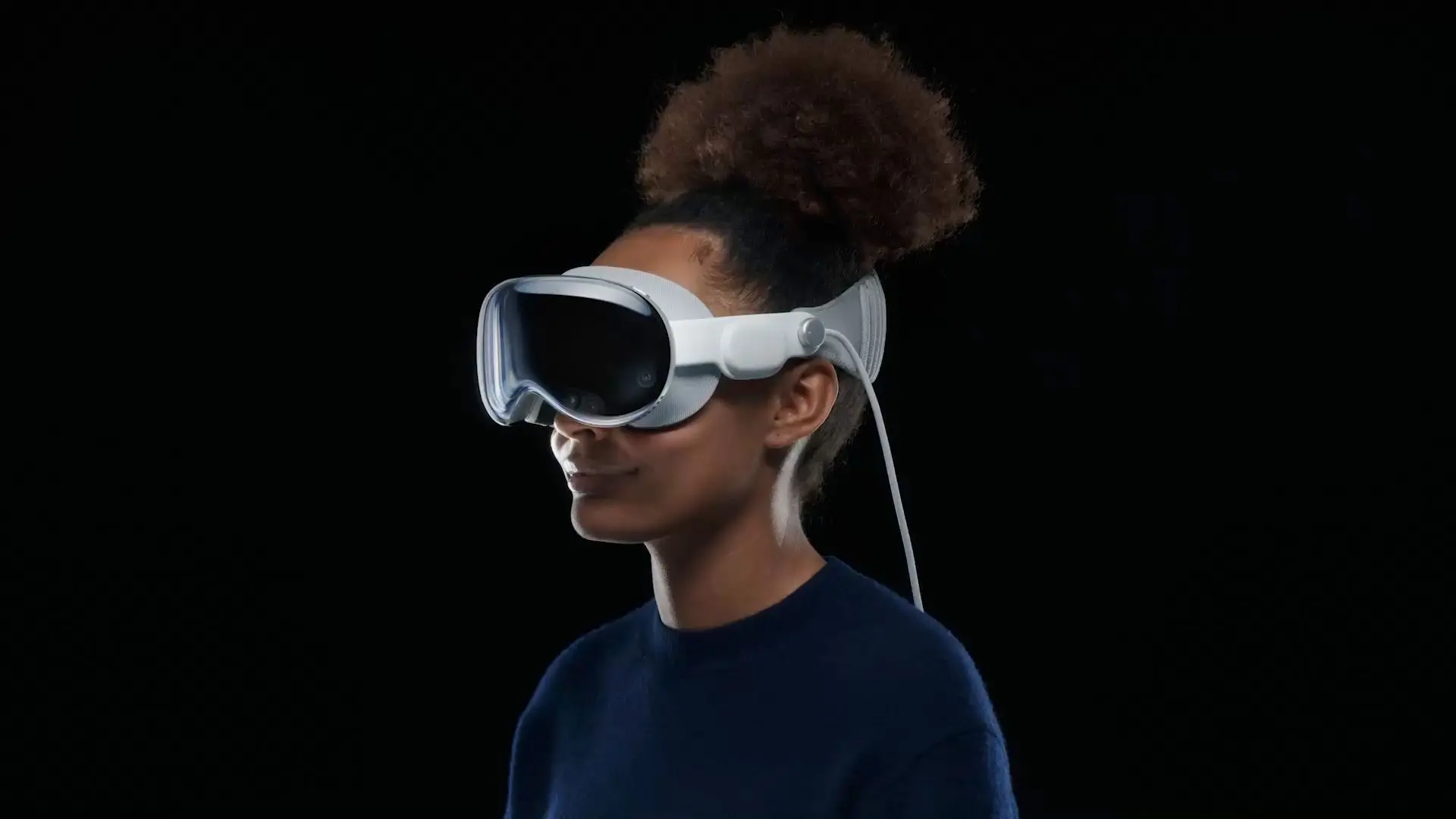
Apple Vision Pro is Apple's entry into the mixed reality market, marketed as a spatial computer. It launched in February 2024 and received a significant update in October 2025 with the M5 chip. The device is priced at $3,700 for the base 256GB model, with options for 512GB and 1TB storage. Despite its high price, Apple raised it to $3,699 in June 2026 due to a global memory crisis.
Should You Buy the Vision Pro?
The Vision Pro is prohibitively expensive for many consumers. Reviews indicate it does not easily fit into existing workflows, and some users regret their purchase. It excels at watching movies, viewing 3D videos, and serving as a Mac display. The headset weighs over 1.3 pounds, which can cause fatigue, but the M5 model includes a more comfortable Dual Knit Band. There is also an external battery pack that offers up to 2.5 hours of general use or 3 hours of video playback. Apple recommends trying the device at an Apple Store and doing thorough research before buying. The M5 refresh makes now a good time to purchase, as no next-generation headset is expected for at least two years.
Key Specifications
The Vision Pro features two micro-OLED displays with over 4K resolution per eye, totaling 23 million pixels. The M5 chip provides a 10-core CPU and 10-core GPU, with improved AI performance and 153GB/s memory bandwidth. The R1 chip processes sensor data with virtually lag-free streaming. The device includes 12 cameras, five sensors, and LiDAR for spatial mapping. Navigation is done through eye tracking, hand gestures, and voice commands. Optic ID uses iris scanning for authentication.
Design and Comfort
The Vision Pro resembles ski goggles with a laminated glass front and aluminum alloy frame. The M5 model introduces the Dual Knit Band, a two-strap design with counterweights for better weight distribution. The headset comes with a Light Seal that blocks out light, and Zeiss optical inserts are available for prescription glasses wearers ($149) or reading lenses ($99). The external EyeSight display shows the user's eyes to others, indicating immersion level.
Audio and Connectivity
Built-in speakers in the audio straps deliver spatial audio with room analysis. Six microphones enable calls and voice commands. The device supports Wi-Fi 6 but not Wi-Fi 6E. It pairs with AirPods for lossless audio with ultra-low latency (supported on USB-C AirPods Pro 2 and AirPods Pro 3).
visionOS and Software Features
visionOS is the operating system with a 3D interface controlled by eyes, hands, and voice. It supports iPhone and iPad apps, Mac Virtual Display (up to ultrawide mode equivalent to two 4K monitors), and FaceTime with digital personas. Apple Immersive Video offers 180-degree 8K recordings. The latest version, visionOS 26, introduced persistent widgets and improved personas. visionOS 27 will add Siri AI with conversational abilities, image generation, and enhanced writing tools. Other updates include Visual Intelligence, a redesigned Control Center, and immersive web experiences.
Battery Life and Storage
The M5 Vision Pro provides up to 3 hours of video playback and 2.5 hours of general use, a half-hour improvement over the M2 model. The battery pack is worn at the hip or the device can be plugged into a power adapter for unlimited use. Storage options are 256GB, 512GB, and 1TB. There is no trade-in program for older M2 units.
Future Plans
Development on a next-generation Vision Pro is paused, with no new model expected until at least 2028. Apple is reportedly focusing on smart glasses similar to Meta Ray-Bans, expected to launch in late 2026 or 2027. These will lack a display but include speakers, microphones, and a camera for AI features. A cheaper enclosed headset is allegedly in development but not soon. Long-term, Apple has explored AR glasses with Mac connectivity, but that project was halted. Rumors also mention potential AR contact lenses in the 2030s. The Vision Pro's eye-tracking and sensors are being tested for mental health diagnostics and early detection of heart conditions.
Source:MacRumors News