

A Return to Minimalism
Fitbit, under Google's stewardship, has introduced the Fitbit Air, a $100 fitness tracker that deliberately eschews the smartwatch features that have become ubiquitous on wrists. The device is a small, lightweight puck that can be easily forgotten once worn. It lacks a display, speaker, or buttons, relying solely on a single LED for battery status and a vibration motor for alarms. This approach harkens back to the earlier days of fitness trackers, like the original Fitbit Flex, which focused purely on activity tracking without distractions.
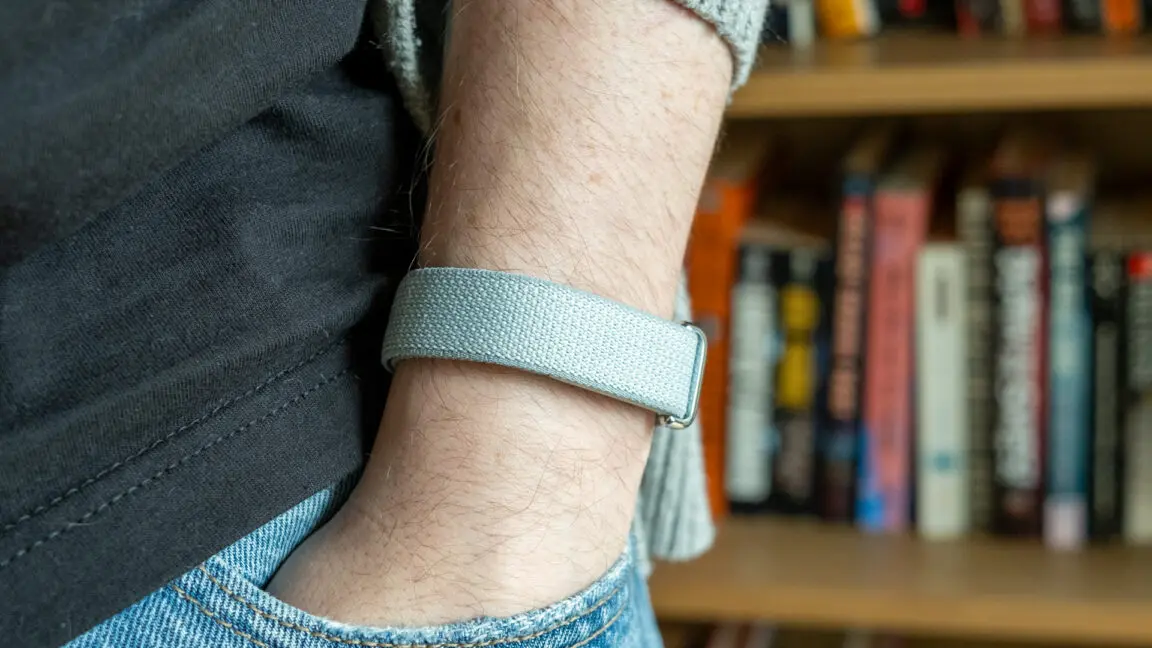
The Air's design prioritizes comfort and discretion. Weighing practically nothing and measuring barely larger than the sensor cluster itself, it can be worn 24/7, including during sleep. The device is rated for water resistance up to 50 meters, allowing for swimming and showering. However, the lack of a display means users must rely on the companion app for all data visualisation and real-time feedback during workouts.
Hardware and Bands
The Fitbit Air ships with three band options: the polyester Performance Band, a silicone Active Band ($35 extra), and a polyurethane Elevated Band ($50 extra). While the stock Performance Band is comfortable and durable, it can absorb moisture during intense workouts. The Active Band provides better grip and hides the tracker more effectively. The Elevated Band offers a more premium look but comes at a steep price, nearly half the cost of the tracker itself. This pricing strategy mirrors Google's Pixel Watch accessory ecosystem, where third-party options have been scarce and expensive.
The tracker uses a simple snap-in mechanism to attach to any band, making it easy to swap between styles. The bands themselves are secure and stay put during vigorous activity. Given the modular design, it's likely that third-party manufacturers will produce more affordable alternatives over time.
Sensors and Accuracy
Despite its minimalist exterior, the Fitbit Air packs an array of sensors found in high-end smartwatches: an accelerometer, an optical heart rate sensor, a blood oxygen sensor, and a skin temperature sensor. It notably lacks an ECG sensor, which may be a dealbreaker for users with specific cardiac monitoring needs. The device automatically detects and logs various workouts, including walking, running, cycling, swimming, and more.
In testing, the heart rate monitor proved accurate during steady-state activities but occasionally lagged during interval training. The sleep tracking was spot-on, correctly identifying sleep and wake times and delivering a reliable smart alarm. The readiness score, which uses AI to combine metrics like resting heart rate, heart rate variability (HRV), and sleep quality, provided a dependable indicator of how well-rested the user was. For casual users, the data quality is more than sufficient. For seasoned athletes who demand precision, the Air may fall short compared to dedicated devices like the Whoop, but it costs significantly less.
Google Health App and AI Integration
The Fitbit Air is the first device to launch with Google Health, the new health platform that replaces the original Fitbit app. The app is clean and functional, offering a dashboard of daily metrics, trends, and insights. However, the centerpiece is the AI-powered Health Coach, which is part of the Health Premium subscription. New users get three months free, after which it costs $9.99 per month or included with certain Google One plans.
The Health Coach uses a Gemini-based model to generate summaries, suggestions, and motivational messages based on the user's data. It produces verbose, often cloying outputs. For example, after a night of fragmented sleep, it might say:
"Last night's sleep was a bit restless. Perhaps try a calming bedtime routine to improve your sleep quality. Also, consider limiting caffeine in the afternoon. You're doing great—keep up the good work!"
This level of verbosity can be overwhelming, especially when the user simply wants to glance at their stats. The AI sometimes hallucinates activities or fails to recognise existing data, leading to unnecessary confusion.While the coach can be personalised—for instance, it can account for a user who has young children disrupting sleep—it often states the obvious. Its main value may lie in conversational logging of meals and workouts, but the constant presence of the AI can feel intrusive. Free users, who do not have access to Health Coach, enjoy a cleaner, more information-dense interface without the wordy summaries.
Battery Life and Everyday Use
Fitbit claims the Air lasts up to seven days on a single charge. In our testing, it consistently reached that mark with typical use (24/7 wear, a few GPS-enabled workouts per week, and nightly sleep tracking). Charging is quick, reaching 80% in just over 30 minutes via the included magnetic cradle.
The absence of a screen means there are no on-wrist notifications, no watch faces, and no touch interactions. For users who are tired of constant buzzing from their smartwatch, this is a refreshing change. However, it also means that to see any data or control music, you must pull out your phone. This trade-off is intentional and, for the target audience, a feature rather than a bug.
Comparison to the Whoop and Other Trackers
The Fitbit Air's most direct competitor is the Whoop, a subscription-based tracker that eschews a screen and focuses on strain and recovery. While the Whoop requires a minimum $200 annual subscription, the Air costs $100 upfront with no mandatory subscription. However, to unlock the AI coaching, you must pay for Premium. Fitness trackers like the Xiaomi Mi Band and Amazfit offer similar features with a screen for less money, but they lack the depth of data and ecosystem integration that Google provides.
For users already invested in the Google ecosystem (Pixel phone, Google Home, etc.), the Air provides seamless integration. It can coexist with a Pixel Watch in the same app, offering separate tracking for different activities. This is a unique advantage over most competitors.
The Good, the Bad, and the Ugly
The good: The Fitbit Air is light, comfortable, and accurate. It looks good on the wrist and lasts a full week. The app provides comprehensive data for those who want it without being overwhelming. The price is competitive.
The bad: The lack of an ECG sensor may deter some users. Bands are expensive. The AI Health Coach, while technically impressive, adds clutter and often produces redundant advice. Users should not feel compelled to subscribe to Premium just for the coach.
The ugly: Google's aggressive promotion of the AI is reminiscent of its past integration of Assistant into Pixel phones. The option to disable the coach is buried in the settings, and the "Ask Coach" button remains even after deactivation, indicating that Google intends to keep pushing this feature. It may alienate users who prefer a cleaner, more straightforward fitness tracker experience.
Source:Ars Technica News