

Key facts
- CXMT plans limited HBM3E production within the next two months, according to people familiar with the matter.
- Only about 20% to 30% of CXMT’s HBM3E chips are usable, compared with around 70% at SK Hynix.
- CXMT has sent HBM3E samples to several Chinese AI chip designers and is offering a standard design plus an updated version intended to improve yields.
- In testing, CXMT’s HBM3E performed closer to SK Hynix’s older HBM3 than to its HBM3E, and the chip will likely cost more than comparable foreign products.
- Chinese AI chipmakers are short of advanced memory, and US export controls tightened in December 2024 on some advanced HBM products bound for China.
- Huawei, Cambricon, MetaX, and Iluvatar CoreX raised AI chip prices by 20% to 50% as memory costs rose.
- SK Hynix held 50% of global HBM revenue in the second quarter, Samsung had 33%, and Micron had 18%, according to market research estimates.
- CXMT held 10% of global DRAM revenue, making it the fourth-largest conventional memory supplier, and said it had caught up with Samsung and Micron in conventional memory.
- SK Hynix said HBM4 beat its target yield and would pass HBM3E in shipments and revenue in the fourth quarter; Samsung said it expanded HBM4 sales and shipped HBM4E samples.
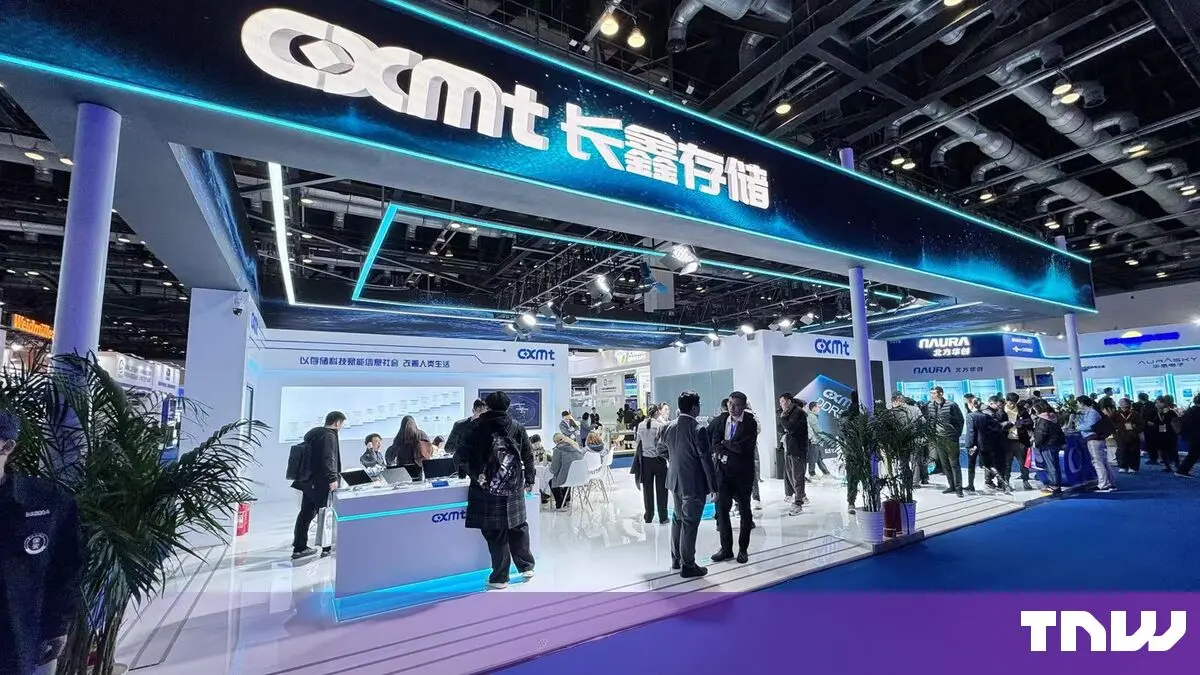
China’s largest memory chipmaker, CXMT, is preparing to enter limited production of HBM3E, an advanced high-bandwidth memory used in AI accelerators, even though only 20% to 30% of the chips it makes meet specifications, according to people familiar with the matter. The planned move marks one of the most ambitious attempts by a Chinese supplier to close a critical gap in the country’s AI hardware stack. CXMT has already sent HBM3E samples to several Chinese AI chip designers and expects to begin limited output within the next two months, one of the people said. The timetable and yield figures add new detail to a supply-chain effort that has been closely watched by chip designers, equipment makers, and investors.
HBM is a specialized form of memory that stacks multiple DRAM dies vertically and connects them through high-speed interfaces. The design allows AI processors to move large amounts of data quickly, which is essential for training and running large language models. HBM3E is an enhanced version of HBM3, offering higher bandwidth and capacity. For Chinese AI chip designers, access to advanced HBM has become a bottleneck as demand for accelerators surges and export restrictions limit access to leading foreign supplies.
Low yield raises cost and supply questions
Yield refers to the share of chips produced on a line that meet specifications. CXMT’s HBM3E yield is currently about 20% to 30%, the people said. By comparison, the market leader in HBM, SK Hynix, achieves around 70% yield. The gap is significant. Low yields mean that a large portion of wafers must be discarded or reworked, pushing up the effective cost of every usable chip. They also make it harder to ramp volume quickly, because production capacity is consumed by failed or substandard parts.
The yield challenge is particularly acute in HBM because the product is not a single conventional memory die. It involves stacking multiple dies, forming through-silicon vias, packaging the stack, and testing it for reliability and performance. Each additional step creates opportunities for defects. Achieving high yield requires mature process control, advanced packaging expertise, and close collaboration between memory and chip designers. CXMT’s current yield suggests it is still in an early stage of learning and refining its HBM3E process.
Samples, performance, and customer testing
CXMT has sent customers two versions of its HBM3E: a standard design and an updated version meant to improve yields, one of the people said. The company is working with several Chinese AI chip designers, according to the people, as it seeks to qualify its memory for use in domestic accelerators. In testing, CXMT’s HBM3E performed closer to SK Hynix’s older HBM3 than to its HBM3E, one of the people said. That performance gap matters because AI chip designers need memory that can sustain high bandwidth while managing power and thermal constraints.
The people also said CXMT’s chip will likely cost more than comparable foreign products. The combination of low yield and lower performance relative to leading products could make adoption expensive, at least in the early phase. Still, Chinese AI chipmakers may have little choice. The people said Chinese firms cannot get enough advanced memory to raise output, and the supply constraint has become more severe since the US tightened export controls on some advanced HBM products bound for China in December 2024.
A supply bottleneck for Chinese AI chips
The restrictions have forced Chinese firms to seek advanced memory through unofficial channels, where it can cost several times more, according to the people. That premium adds to the cost of building AI systems and limits how quickly domestic chip designers can scale. The pressure has already shown up in pricing. Last month, Huawei, Cambricon, MetaX, and Iluvatar CoreX raised prices for their AI chips by 20% to 50% as memory costs rose, according to a report. Cambricon’s latest sales missed expectations as chip supply tightened.
For China’s AI hardware ecosystem, HBM is a strategic input. Without sufficient high-bandwidth memory, domestic accelerators cannot reach their designed performance or volume. That makes CXMT’s HBM3E program important beyond the company itself. A domestic source of advanced memory, even one with low initial yield and higher costs, could reduce reliance on imported parts and unofficial channels. It could also give Chinese AI chip designers a more predictable supply of memory for testing, product development, and limited deployments.
Conventional memory strength versus HBM lag
CXMT is not a small player in conventional memory. It held 10% of global DRAM revenue, making it the fourth-largest supplier of conventional memory, according to market research estimates. In September, the company said it had caught up with Samsung and Micron in conventional memory. It also swung to a profit of nearly $20bn this year as memory prices soared. That financial and technological progress in standard DRAM provides a foundation for its HBM ambitions, but HBM requires additional capabilities in stacking, packaging, and yield management.
The HBM market is dominated by SK Hynix, Samsung, and Micron. In the second quarter, SK Hynix held 50% of global HBM revenue, Samsung
Source:TNW | Semiconductors News