

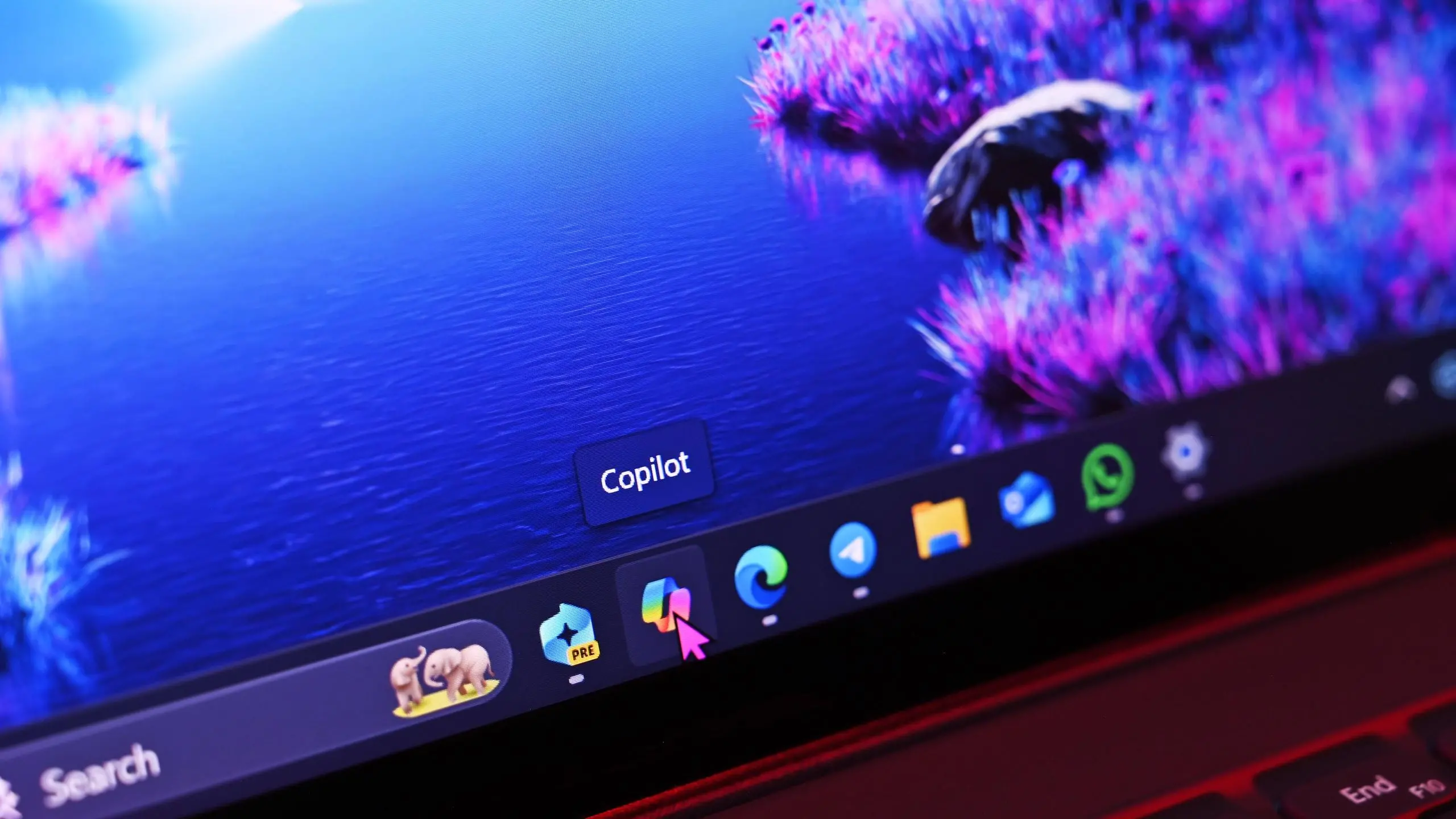
Microsoft's Surface lineup has long been a showcase of innovation, blending laptop and tablet functionality into sleek, versatile devices. However, the company's recent push toward artificial intelligence—specifically the Copilot+ initiative—initially threatened to undermine the very qualities that made Surface popular. When Microsoft failed to meet its own stringent AI requirements for certain Surface models, the result was an unexpected improvement: a device that performed better in real-world use without the burden of demanding AI features.
The Copilot+ Mandate
In early 2024, Microsoft unveiled its vision for AI-powered PCs, requiring a minimum of 40 TOPS of neural processing power from dedicated NPUs. The Surface line, traditionally focused on portability and battery life, struggled to incorporate such high-performance AI hardware without compromising other aspects. Engineers faced a dilemma: either delay production to meet the requirements or ship a device that fell short of the AI benchmark. Microsoft chose the latter, and the decision paid off.
Without the power-hungry NPU necessary for full Copilot+ compliance, the Surface team could allocate resources to improving thermal design, display quality, and battery optimization. The resulting device, while unable to run advanced AI models locally, offered longer battery life, quieter operation, and a more stable user experience. Reviewers noted that the Surface felt snappier for everyday tasks, and the lack of AI features was hardly missed by most users.
Historical Context
Microsoft's Surface line has always walked a fine line between innovation and practicality. The Surface Pro, first introduced in 2013, defined the 2-in-1 category but faced initial criticism for limited battery life and heat management. Over the years, each iteration refined these aspects, but the AI push threatened to reintroduce old problems. The Surface Laptop Studio and Surface Pro 9 were already praised for their build quality and versatility; adding a high-end NPU would have increased cost and complexity.
Competitors like Apple had already integrated powerful AI hardware into their M-series chips, but Apple controlled both hardware and software. Microsoft, reliant on Intel and AMD, faced constraints in chip design. The Copilot+ requirements were ambitious, but the Surface team's failure to meet them forced a pragmatic approach. Rather than rushing an incomplete AI solution, they focused on core improvements that benefited all users.
Unexpected Benefits
The absence of a top-tier NPU allowed the Surface to maintain a thinner chassis and lower weight—critical factors for mobile professionals. Battery life improved by up to 20% in some configurations, as the system didn't need to power an always-on AI accelerator. Thermal throttling, a common complaint in previous Surface models, virtually disappeared. The device ran cooler even under load, thanks to a redesigned vapor chamber that didn't have to accommodate an NPU.
Moreover, the user interface remained clean and uncluttered. Copilot+ includes features like Recall, which records everything a user does locally, raising privacy concerns. By failing to implement full AI requirements, Microsoft avoided these controversies while still offering cloud-based AI through Microsoft 365. Many users preferred this hybrid approach, as it didn't sacrifice security for convenience.
Industry Implications
Microsoft's accidental success raises questions about the necessity of on-device AI in all devices. Analysts have debated whether the push for AI PCs is driven more by marketing than actual user need. The Surface's improved performance without full AI suggests that for many consumers, a balanced device with strong fundamentals is more desirable than one crammed with unproven AI capabilities.
Intel and AMD have since adjusted their roadmaps, offering both AI-optimized and standard chips. Microsoft's Surface team has hinted that future models may offer optional AI configurations, allowing users to choose. This flexibility could set a new trend in the industry, where AI features are not mandatory but available for those who need them.
The failure to meet its own AI requirements turned out to be a blessing in disguise for Microsoft. The Surface gained praise for its refined design, long battery life, and reliable performance. In a market flooded with AI buzzwords, the Surface stood out as a device that put the user experience first—proving that sometimes, less is more.
Looking ahead, Microsoft plans to continue iterating on the Surface formula. The lessons learned from this accidental improvement will likely inform future designs, ensuring that AI integration does not come at the expense of core functionality. The Surface line remains a benchmark for premium Windows devices, and this unexpected turn only strengthens its position.
For consumers, the message is clear: an AI-ready device is not always the best choice. A machine that excels at everyday tasks, offers excellent build quality, and lasts all day on a single charge can be more valuable than one that performs AI tasks you may never use. Microsoft's accidental better Surface is a testament to the importance of thoughtful design over feature checklists.
Source:Windows Central News