

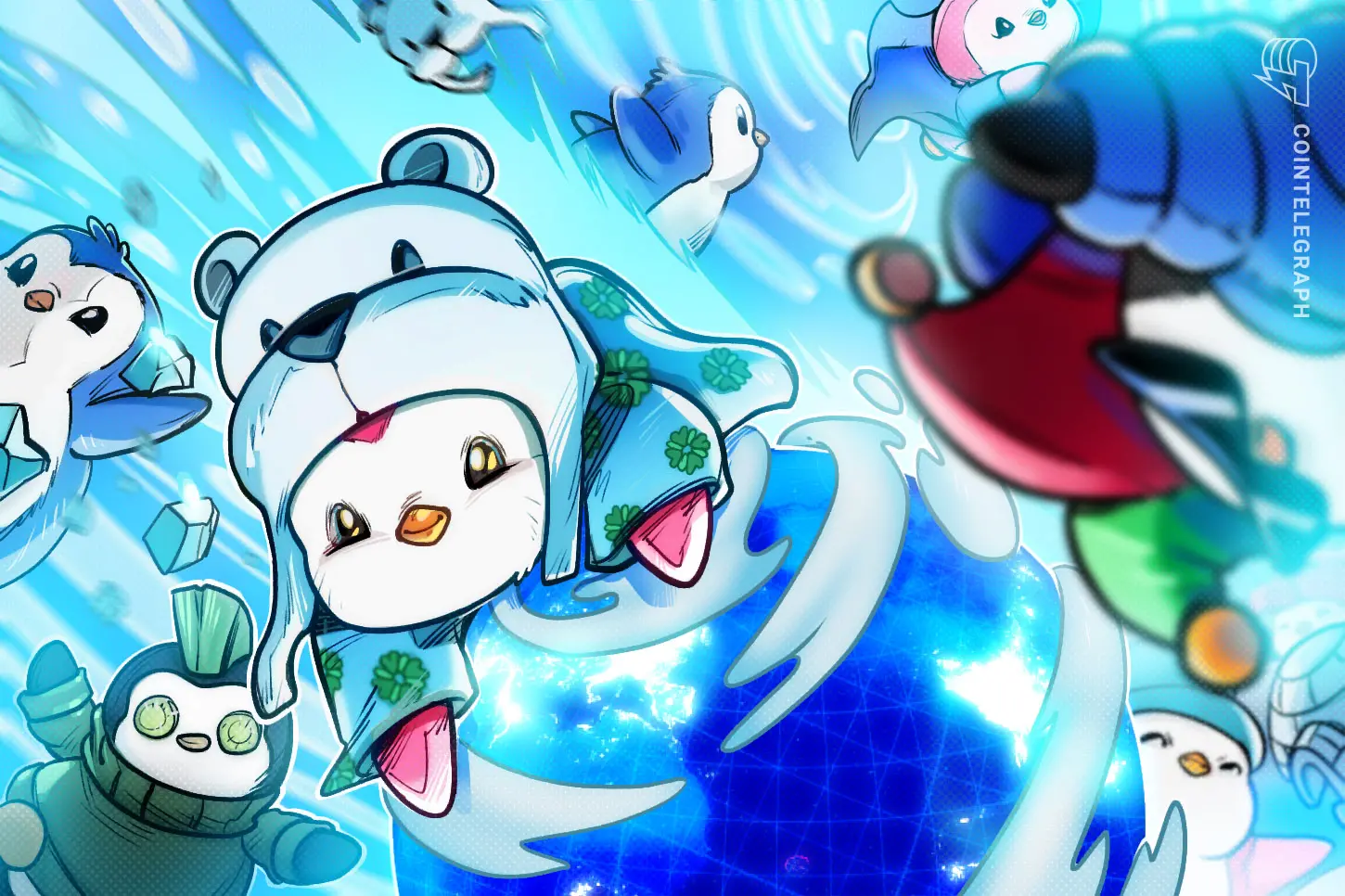
The non-fungible token (NFT) project Pudgy Penguins has taken another major step in its transition from digital collectibles to mainstream consumer brand. With the nationwide rollout of its Vibes Series 3 trading cards at Target stores across the United States, the franchise is demonstrating how blockchain-born intellectual property can thrive in brick-and-mortar retail environments.
According to details shared by the project, the launch of Vibes Series 3 represents the largest retail expansion for the trading card game to date. The new series brings the total number of circulating cards to 15 million, a milestone that underscores the growing appetite for physical products linked to digital communities. The set introduces additional gameplay mechanics, original artwork, and even crossover appearances with characters from the Moonbirds NFT collection.
A Growing Retail Presence
Pudgy Penguins developed the Vibes trading card game in partnership with Orange Cap Games, a company specializing in tabletop and collectible card games. Series 3 follows two earlier releases that helped establish the game’s foothold in the market. The expansion into Target—one of the largest retail chains in the United States—marks a strategic leap forward for the project.
The move is not an isolated event. In 2023, Pudgy Penguins’ physical toys entered more than 2,000 Walmart stores, a landmark achievement for any NFT-based brand. By May 2024, CEO Luca Netz reported that over 1 million toys had been sold within the preceding 12 months. These numbers show that the project has successfully translated digital ownership into tangible demand.
The retail strategy is built on a licensing model that rewards NFT holders. When physical products feature an individual penguin owned by a collector, the holder receives 5% of net revenue from those sales. This mechanism creates a direct financial incentive for community members to promote and support the brand’s expansion into the physical world.
From Digital Art to Consumer Brand
Pudgy Penguins began as an Ethereum-based NFT collection of 8,888 cartoon penguin avatars. During the NFT boom of 2021, it became one of the most recognizable projects in the space. However, unlike many projects that faded after the market cooled, Pudgy Penguins turned its attention to building a durable brand that could exist independently of cryptocurrency hype cycles.
The project’s transformation into a consumer brand is rooted in strong IP management. Each penguin has a distinct design and personality, making them suitable for merchandising, licensing, and storytelling. The team behind Pudgy Penguins has actively pursued partnerships and product lines that bring the characters to life beyond the blockchain.
As of mid-2026, Pudgy Penguins is ranked as the fourth-largest NFT collection by market capitalization, according to data from NFT Price Floor. This valuation reflects both the ongoing trading activity of the digital assets and the perceived value of the brand’s expansion into physical retail, gaming, and entertainment.
Gaming as a Vehicle for IP
Beyond trading cards and plush toys, Pudgy Penguins has also ventured into the gaming industry. In 2025, the project launched Pengu Clash, a game built on The Open Network (TON). CEO Luca Netz described gaming as a vehicle that allows the project’s intellectual property to reach wider audiences who may not be familiar with NFTs or cryptocurrency.
Later that year, Pudgy Penguins released a mobile game called Pudgy Party. The game saw strong initial traction, with downloads exceeding 1 million. However, the team announced in June 2026 that further development of Pudgy Party would be halted. Instead, resources will be redirected toward a browser-based game titled Pudgy World. This pivot highlights the iterative nature of expansion in the entertainment space, where projects must adapt to player preferences and technical requirements.
The gaming initiatives complement the trading card rollout by creating multiple touchpoints for fan engagement. A collector who buys a pack at Target might discover characters that also appear in the browser game, fostering a cohesive ecosystem around the brand.
Broader Implications for NFT Projects
The Pudgy Penguins story is being closely watched by other NFT projects that aim to achieve similar longevity. The NFT market has matured significantly since its explosive growth in 2021 and subsequent contraction. Many projects that survived the downturn have shifted focus from pure speculation to utility and brand development.
Pudgy Penguins’ approach offers a template: use the blockchain as a distribution channel and community-building tool, but invest heavily in physical products that appeal to general consumers. Trading cards are a particularly strategic choice because they occupy a sweet spot between collectibility and playability. They are familiar to mass audiences, yet they can incorporate digital elements such as QR codes or augmented reality.
Other NFT collections have attempted similar expansions. Bored Ape Yacht Club, for example, has pursued partnerships with clothing brands and music festivals. However, Pudgy Penguins has arguably gone the furthest in establishing a presence in traditional retail chains like Walmart and Target. This distribution network is difficult to build and represents a significant competitive advantage.
Licensing and Community Incentives
One of the most innovative aspects of Pudgy Penguins’ strategy is its licensing model for NFT holders. When a physical product features a specific penguin, the owner of that penguin NFT receives 5% of net revenue from sales of that product. This arrangement turns passive collectors into active brand ambassadors.
The model also encourages holders to submit their penguins for use in merchandise, creating a steady pipeline of designs. The community benefits from a revenue share, while the brand gains access to a diverse library of characters without having to create all the designs internally. It is a symbiotic relationship that strengthens over time.
This licensing model is facilitated by smart contracts and transparent tracking, though the actual revenue distribution is handled through off-chain agreements to accommodate traditional retail partners. The combination of blockchain-based ownership with conventional business practices is a pragmatic adaptation that many other projects are studying.
The Role of Orange Cap Games
The partnership with Orange Cap Games has been central to the success of the Vibes trading card series. Orange Cap Games brings expertise in game design, manufacturing, and retail distribution. The company has worked with other IP holders to create collectible card games that appeal to both fans and casual players.
Vibes Series 3 includes new gameplay mechanics that add depth to the competitive aspect of the card game. Players can combine cards, activate special abilities, and participate in local tournaments at participating stores. The inclusion of Moonbirds characters also creates crossover appeal with another well-known NFT collection, potentially attracting a wider audience.
With 15 million cards now in circulation, the Vibes game has achieved a scale that few NFT-based card games have reached. The retail presence at Target provides visibility to millions of shoppers who may never have engaged with NFTs before. For many, the trading card pack might be their first encounter with the brand, serving as an entry point to the broader Pudgy Penguins ecosystem.
Challenges and Opportunities
While the expansion into Target is a significant achievement, it also comes with challenges. Retail space is competitive, and maintaining shelf placement requires consistent sales and marketing support. Pudgy Penguins must also manage the expectations of its NFT community, who are both investors and fans. If physical products succeed but the value of the digital assets stagnates, friction could arise.
Additionally, the halt of Pudgy Party development illustrates the difficulty of sustaining multiple product lines simultaneously. The team’s decision to focus on Pudgy World suggests a recognition that resources are finite and that concentration on a single gaming platform may yield better long-term results.
Nevertheless, the overall trajectory of Pudgy Penguins reflects a maturing strategy. By diversifying into trading cards, toys, and games, the project is building multiple revenue streams and reducing reliance on NFT trading fees. The brand is gradually achieving the kind of ubiquity that makes it recognizable outside of cryptocurrency circles.
As blockchain technology continues to intersect with mainstream commerce, Pudgy Penguins serves as a case study in how digital communities can generate real-world products. The Target rollout is not just about selling cards—it is about proving that NFT-born brands can compete in the same aisles as Marvel, Pokémon, and other established franchises.
Source:Cointelegraph News