

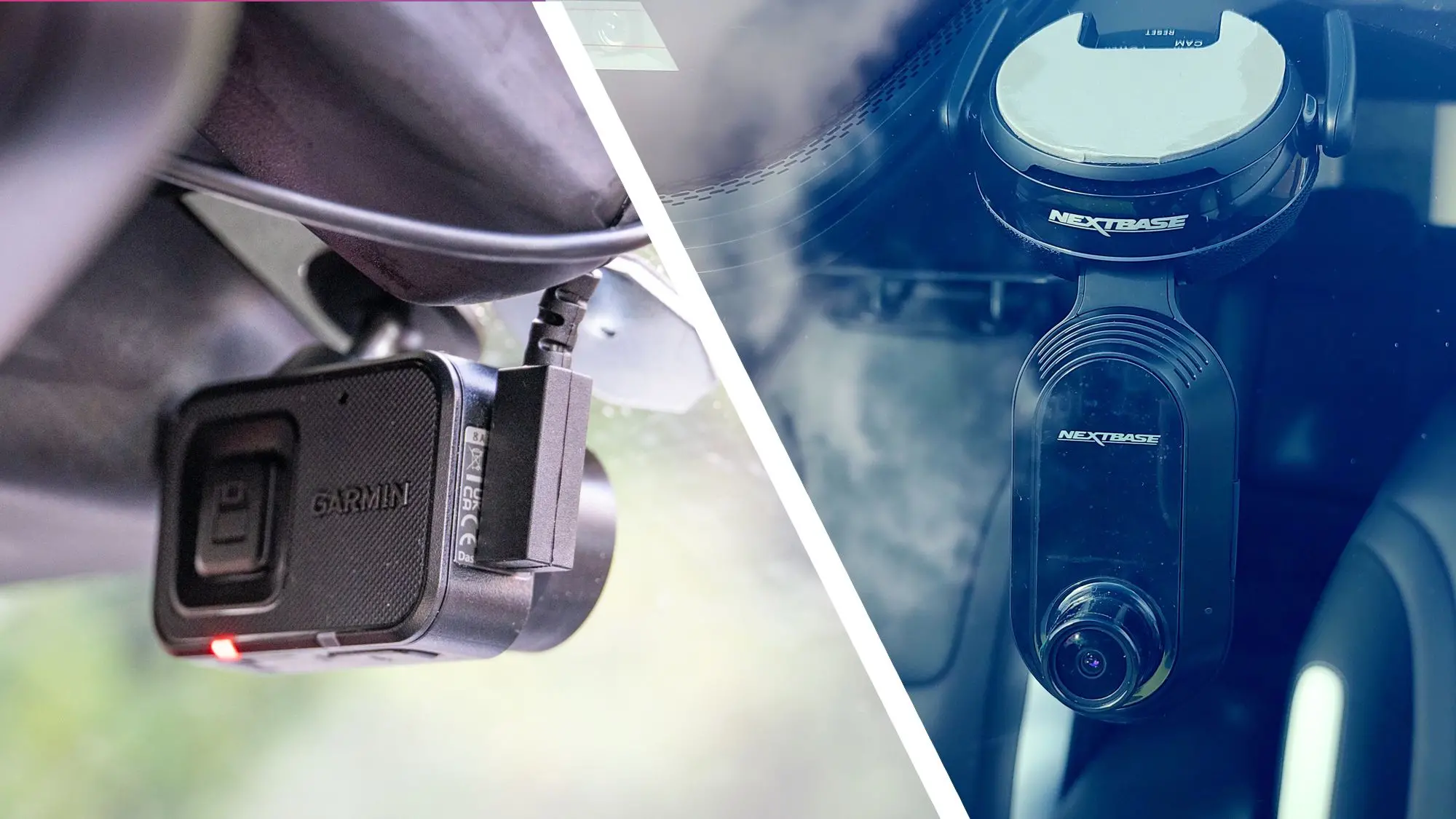
Dash cams have evolved from simple novelty cameras into essential driving companions. Whether you want protection against insurance disputes, evidence in an accident, or even just the ability to record a scenic road trip, a good dash cam is now within reach. Over the past year, our team has systematically tested a large group of car cameras, paying special attention to brands like Garmin, Nextbase and 70mai. We have run them through rain, glare, night driving, highway speeds, extreme temperatures and long-term parking modes to find out which ones truly deliver reliable, high-quality footage.
If you are new to dash cams, the market can feel overwhelming. There are compact single-lens models, dual-channel systems for front and rear coverage, and premium cameras with 4K resolution, GPS logging, voice control and cloud features. In this article, we summarize the key facts we learned, highlight what separates the best dash cams from average ones, and offer actionable guidance for choosing the right camera for your car.
Why You Need a Dash Cam
Dash cams provide protection beyond the security of your vehicle. They record exactly what happens on the road, which can help establish fault after a collision, stop fraudulent insurance claims, and even capture valuable footage of road hazards or hit-and-run incidents. In many cases, a short video clip is far more persuasive than a verbal account. Some modern dash cams also include cabin-facing cameras, making them useful for rideshare drivers and families who want a record of what happens inside the car.
Beyond liability, dash cams can be a practical tool. They can record unexpected wildlife crossings, beautiful scenery on a mountain drive, or an unusual incident that you might otherwise forget. With loop recording, the camera continuously overwrites the oldest footage, meaning you never have to worry about running out of memory—though important clips can be protected and saved automatically when the camera detects an impact or sudden movement.
Key Features We Tested
To provide clear recommendations, we established a rigorous testing protocol. Every camera was installed in a test vehicle and driven over identical routes that included city streets, motorways, rural lanes and poorly lit tunnels. We recorded during day and night, in direct sunlight and in heavy rain. We also tested each camera's mobile app, menu system, mounting mechanism, battery life and parking mode behavior.
Video Quality and Resolution
The most important factor for any dash cam is footage quality. Most mainstream models now offer at least 1080p Full HD resolution, but 1440p and 2160p (4K) are increasingly common. High resolution is not the only factor; the lens aperture, sensor size, bitrate and image processing also play crucial roles. In our tests, several 4K cameras captured crisp license plates in daylight, but some struggled in low-light conditions. The Garmin and Nextbase models generally delivered excellent color balance and sharpness, while 70mai impressed us with very high detail for a lower price.
Night performance is even more important than daytime clarity because many collisions happen in low light. We tested each camera at night on unlit roads and under bright streetlights. The top performers used wide apertures (around f/1.8 or f/1.5) and advanced night mode processing. Some lower-priced cameras produced grainy, noisy images that made plates unreadable; these were automatically marked down in our rankings.
Mounting and Installation
No one wants a dash cam that falls off the windshield or requires a professional installer. We evaluated both adhesive mounts and suction mounts. Suction mounts are easy to move between vehicles but can vibrate and sometimes release under high temperatures. Adhesive mounts are more secure and less obtrusive, but they are effectively permanent once applied. Most premium models use a static mount with a quick-release mechanism, allowing the camera body to be detached while the mount remains in place. We found that well-designed mounts made installation and removal much more pleasant.
Power cable management is another consideration. Some drivers want a discreet installation with a hardwire kit that connects to the vehicle's fuse box. Others prefer plugging the camera into the 12V cigarette lighter socket. In either case, the length of the included cable and the quality of the power adapter matter. The best kits we tested included long, angled USB cables and tidy cable clips to hide the wire along the roofline and A-pillar.
Storage and Loop Recording
All dash cams rely on microSD cards, but not all cards are equal. We recommend high-endurance microSD cards designed for continuous overwrite cycles. During testing, we noticed that some cheaper cards failed after a few months of heavy use. Cameras that support cards up to 256GB or 512GB offer more flexibility, especially for dual-channel setups.
Loop recording is a standard feature, but we looked for cameras that let you set clip length and automatically protect important files. In a crash, a quality dash cam will use its G-sensor to lock the current file so it cannot be overwritten. That feature is critical. We also checked whether the camera records continuous, gap-free footage. Some models dropped frames during transitions, a significant issue if those missing frames contain the crucial moment of a collision.
Top Performers by Category
Based on our extensive testing, we can point to several clear category leaders from Garmin, Nextbase and 70mai. While the full list and rankings may update as new models arrive, the following categories represent the strengths we observed during testing.
Garmin: Premium Build and Intelligent Features
Garmin dash cams are well known for their compact design, excellent smartphone integration, and reliable optical quality. In our tests, models like the Garmin Dash Cam 67W offered solid 1440p video, voice control, and a useful parking guard feature that sends activity alerts to your phone. Garmin's mobile app is one of the best in the market, allowing easy video downloads and camera configuration. The build quality is consistently high, and the cameras feel solid and durable.
One of Garmin's standout innovations is its integrated GPS and optional dash cam network, which can report road hazards to nearby drivers. During our testing, the GPS lock was fast and accurate, and the speed-coach warning worked as advertised. For drivers who want a no-hassle device that simply works, Garmin is a safe bet.
Nextbase: Feature-Rich and Expandable
Nextbase has established itself as a leader in the UK and worldwide, and our testing confirms why. The Nextbase camera range offers superb image quality, particularly in night conditions, and an intuitive touchscreen interface that avoids the need for a smartphone app. The modular mounting system makes it easy to add a rear camera module or cabin-view module, which is a major advantage for owners who want full coverage.
Another Nextbase strength is its suite of intelligent driver-tracking features, including lane departure warnings, traffic light recognition and a predictive collision warning system. While some drivers may find these alerts distracting, they can be toggled off. In our tests, the camera's emergency SOS feature, which can alert emergency services in the event of a crash when synced with a phone, worked as intended during a controlled simulation. If you want the most comprehensive feature set, Nextbase deserves serious consideration.
70mai: Outstanding Value
70mai has gained a strong reputation for delivering excellent equipment at aggressive prices. Our test unit from 70mai offered 2.7K or 4K resolution, a wide field of view, and surprisingly good low-light performance for its price point. The 70mai app supports quick WiFi streaming and clip sharing, and the interface is clean and straightforward.
At these price levels, you might expect cut corners, but 70mai includes features like parking mode, motion detection, night vision and optional GPS. The build quality is not as premium as Garmin or Nextbase, but the core video quality is close enough that value-focused buyers will be very satisfied. For a first-time dash cam buyer on a budget, 70mai offers one of the best price-to-performance ratios we have tested.
Lesser-Known Brands and Budget Options
Beyond the big three, our testing also included offerings from other brands like Viofo, Thinkware and Azdome. Some of these brands excel in niche areas such as ultra-high-bitrate 4K footage or discreet Sony sensor quality. Viofo, for example, has a dedicated following among enthusiasts for its raw image quality and manual controls. Thinkware and BlackVue often lead when it comes to cloud-based parking surveillance and long-term cloud monitoring. However, these brands may require a deeper understanding of dash cam settings and a higher budget.
If you simply want a dependable basic dash cam, there are many models under $80 that can provide decent emergency evidence. The compromises usually appear in low-light performance, build quality and app reliability. We strongly advise buyers to read real reviews and to choose cameras from brands that provide regular firmware updates and customer support.
Parking Mode and Battery Drain
Parking mode is one of the most sought-after features. It allows the dash cam to stay active while your car is parked, recording any impact, motion or suspicious activity. For this to work safely, the camera must be hardwired to the vehicle's electrical system, and the system ideally includes a low-voltage cutoff. Without that protection, the camera could drain your car battery, leaving you stranded.
During our tests, proper parking mode behavior was rare. Some cameras turned off prematurely; others continued recording excessively and drained batteries in a few hours. The best units we tested offered buffered parking mode, meaning the camera starts recording a few seconds before the impact event is detected. This feature is critical to capture the actual cause of the damage, such as a neighboring car rolling into your bumper.
If you plan to use parking mode, choose a camera with clear settings for timeout periods and low-voltage protection. Also consider the climate: in very hot or cold environments, the camera's battery and capacitor must be able to handle temperature extremes. We prefer cameras with supercapacitors instead of lithium batteries, as they are more stable in high temperatures.
Mobile Apps and User Experience
A good dash cam should not require a degree in computer science to operate. We evaluated every camera's companion app based on connection speed, stability, ease of use and feature availability. The best apps allow you to preview live footage, change resolution, locate recorded events on a timeline, and download videos to your phone without removing the memory card. The slowest apps took more than a minute to connect and frequently dropped the WiFi link.
Onboard screen and touch interface also matter. Some drivers prefer a built-in screen for on-the-spot playback and adjustment, while others favor a small, button-only design to keep the windscreen clutter-free. Our team is split on the ideal approach, but we recognize that a clear and responsive screen simplifies initial setup and troubleshooting.
Legal Considerations and Privacy
Dash cam use is legal in most countries, but there are important rules to remember. In some jurisdictions, windshield mounting is restricted, and there are limits on where cameras can be placed in relation to the driver's field of view. Audio recording can be regulated under wiretapping or privacy laws. If your dash cam records audio continuously, you may be required to inform passengers. For public roads, the legal landscape is dynamic; expect future regulations as connectivity increases.
Privacy also extends to video sharing. Many drivers upload clips to social media, but not everyone is comfortable with their license plate or face being broadcast. A quality dash cam should make it easy to blur or crop footage before sharing. Some apps now include built-in video editing tools for this purpose.
How We Ranked the Best Dash Cams
Our final rankings prioritize video quality, reliability, ease of use, safety features and value. A dash cam that captures flawless footage but crashes every week cannot be recommended. We also penalize cameras with poor after-sales support or minimal firmware updates. Conversely, a camera with a slightly lower resolution but exceptional stability and a great app can score higher than a 4K model with frustrating software.
The rankings also consider real-world driving conditions. For example, a camera that struggles at night in heavy rain might still be fine for daytime commuters, but we rank it lower because safety should not be conditional on good weather. We also test the camera's field of view: a wider angle covers more of the road but can distort plates at the edges. The sweet spot is typically between 140 and 160 degrees.
Making Your Choice
Choosing the best dash cam for your car is not just about picking the most expensive or most feature-packed model. Start by defining your priorities. Do you want simplicity and reliability? Consider a Garmin or Nextbase with strong app support and proven build quality. Are you looking to spend as little as possible without sacrificing clear evidence? A 70mai or similar value brand will likely exceed your expectations.
Think about where you live and drive. If you often park on the street, parking mode with motion detection becomes more important. If you drive long distances at night, focus on a model with superior low-light performance. If your car has a wide windscreen, choose a compact camera that won't obstruct your view. You can always upgrade later, but a well-informed purchase now will give you years of protection and peace of mind.
Installing a dash cam is one of the easiest automotive upgrades you can make. Most cameras can be installed in less than ten minutes with a simple suction mount and a cigarette lighter cable. If you don't like visible wires, many professional installers offer hardwiring for a modest fee. Once installed, a dash cam becomes a silent guardian on every journey, ready to capture the moments that truly matter.
Source:TechRadar News