

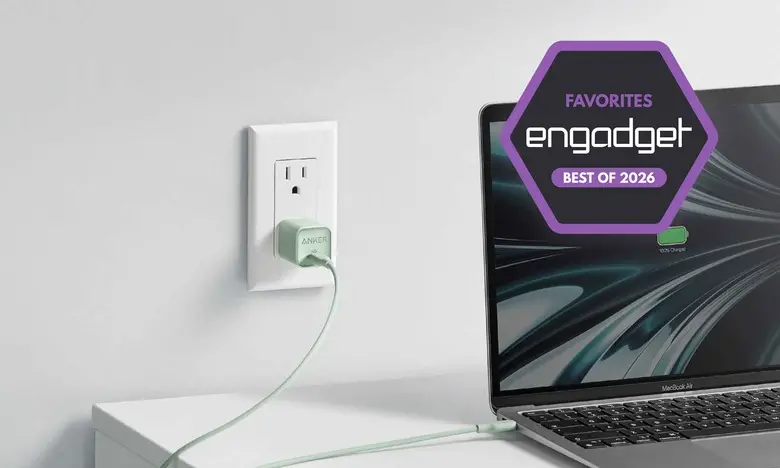
Fast chargers have moved from a convenience to a necessity. With smartphones, tablets, laptops, earbuds, and smartwatches all demanding power, the right adapter can mean the difference between a quick top-up and a long wait. Many devices now ship without a power brick in the box, making aftermarket chargers more important than ever. But raw speed isn't the only factor. Compatibility, port selection, charging standards, and even physical size all play a role in choosing the best fast charger for your needs.
The current landscape of fast charging is dominated by USB-C, gallium nitride (GaN) technology, and multi-port designs. Modern chargers can intelligently distribute power across several devices simultaneously, ensuring your laptop gets the juice it needs while your phone and earbuds charge at optimal speeds. Brands like Anker have refined their offerings, producing compact yet powerful adapters that can slip into a bag or pocket without sacrificing performance. But with wattages ranging from 20W to over 200W, how do you choose the right one? This guide breaks down the key considerations and top recommendations for 2026.
What to consider before buying a fast charger
Before you start shopping, determine three things: how many devices you need to charge, how much power each requires, and whether you'll be traveling with the charger. These answers will dictate the wattage, port count, and physical form factor that suits you best.
If you only charge a single phone, a compact single-port adapter is usually the most cost-effective and space-efficient choice. But if you travel with a laptop, phone, and earbuds, a multi-port charger with 65W or higher output can replace multiple bricks. For those who still use Lightning cables alongside USB-C gear, a charger that includes a USB-A port can be helpful, though USB-C-to-C charging is becoming the universal standard.
Power requirements are equally important. A phone might need just 20W for fast charging, while a laptop could require 60W to 100W. Gaming notebooks or high-performance workstations may draw more than 140W, but many use proprietary barrel connectors rather than USB-C. Even if a laptop supports USB-C charging, using a lower-wattage adapter will result in slower charging, and in some cases, the device might not charge under heavy load. Always check the maximum charging speed listed in your device's specs, usually expressed in watts (e.g., 45W) or as a quick-charge rating.
Travelers should pay attention to size and weight. GaN chargers are significantly smaller and lighter than older silicon-based bricks, making them ideal for backpacks and carry-ons. Some models also feature foldable prongs or interchangeable international adapters, which are handy for frequent flyers. If you already carry a power bank or a charging station, a compact GaN wall charger can streamline your kit.
Cable quality is often overlooked. A high-powered charger is useless if your cable can't handle the current. Low-quality cables can bottleneck speeds, generate heat, or even pose a safety risk. To get the best performance, use a reputable USB-C to USB-C cable that supports the appropriate power delivery specification.
Understanding fast charging technologies
USB Power Delivery (USB PD) is the most widely adopted fast-charging standard for USB-C devices. It allows a charger to negotiate the optimal voltage and current with the device, enabling safe and efficient charging up to 240W with the latest revision. Most smartphones, tablets, and laptops support USB PD, making it a safe choice for compatibility.
GaN is a key innovation in charger design. Gallium nitride transistors operate at higher frequencies and efficiency than traditional silicon, allowing manufacturers to shrink the size of transformers and other components. As a result, GaN chargers are typically 30 to 50 percent smaller and lighter than silicon-based equivalents with the same wattage. They also run cooler, which is a significant advantage during extended charging sessions.
Some brands use proprietary standards to achieve ultra-fast speeds. For example, OnePlus's SuperVOOC charging can deliver up to 100W to compatible devices, but those speeds require the included adapter and cable. If you use a generic USB PD charger, the OnePlus 13 tops out at 45 watts—still fast, but not nearly as quick. Similar limitations apply to other proprietary fast-charging systems.
Fast charger FAQs
What is GaN?
GaN stands for gallium nitride, a semiconductor material that's replaced silicon in many modern chargers. It allows for higher power output and better efficiency in a smaller footprint. GaN chargers are ideal for anyone who wants a powerful adapter that doesn't weigh down their bag.
Do fast chargers affect battery life?
Yes, but the impact is minimal in normal use. Fast charging generates extra heat, which can degrade battery chemistry over time. However, modern devices use sophisticated thermal management and charging algorithms to keep temperatures within safe limits. The battery degradation from regular use, regardless of charging speed, is inevitable, but using a compatible fast charger with a quality cable will not dramatically shorten your device's lifespan.
What's the difference between a fast charger and a regular charger?
There's no universal definition, but chargers that deliver more than 15 to 18 watts are generally considered fast for smartphones. Some phones can accept over 100 watts, while laptops can draw up to 240 watts. A regular charger—often 5W or 10W—is fine for overnight charging but will be too slow when you need a quick boost before heading out.
How to pick the best fast charger for your needs
Start by listing the devices you own and their power requirements. For a single phone, a 20W to 30W GaN charger is compact and affordable. For a phone plus earbuds, a dual-port charger with 30W to 45W total output is a good balance. For a laptop and phone, look for a 65W or 100W multi-port charger that can deliver at least 60W to a single USB-C port while splitting the rest among other devices.
Consider the number of ports and their layouts. Some chargers have two USB-C ports and one USB-A port, giving you flexibility for older cables. Others focus on USB-C only, which is more future-proof. Chargers with a foldable plug are easier to pack. Lightweight GaN models are now available in power ranges that were previously reserved for bulky bricks.
When choosing a brand, look for trusted names like Anker, which have a track record of safety and reliability. However, lesser-known brands may offer impressive specs at lower prices, but be cautious about counterfeit or uncertified products. Check for certifications like UL or CE to ensure the charger meets safety standards.
As 2026 progresses, the trend is clearly toward smaller, more powerful, and more versatile chargers. Whether you're a minimalist who needs a single-port wall plug or a road warrior who needs to charge a laptop and multiple peripherals simultaneously, there's a fast charger designed for your routine. By focusing on wattage, ports, and technology, you can find a charger that's not just fast, but also safe and reliable for years to come.
Source:Engadget News